

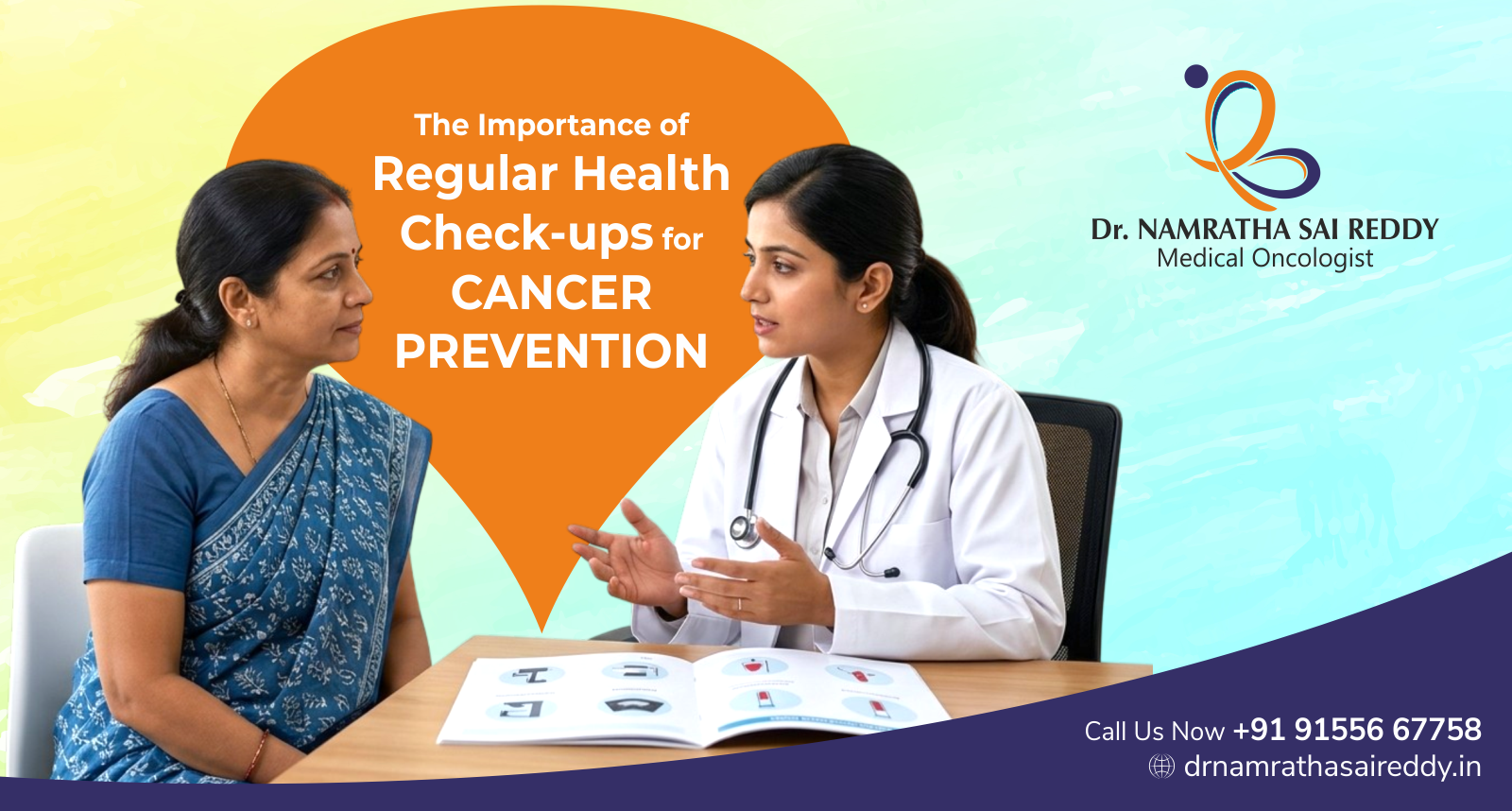
Regular health check-ups play a crucial role in cancer prevention by identifying risk factors, detecting precancerous conditions, and diagnosing cancer at an early stage—often before symptoms develop. Early detection improves treatment success, expands treatment options, and can significantly reduce cancer-related complications and mortality. Key Takeaways Cancer Prevention at a Glance Latest Statistics Introduction Cancer remains one of the leading causes of illness and death worldwide. While advances in diagnosis and treatment have improved survival rates, one of the most effective ways to reduce the burden of cancer is through prevention and early detection. Unfortunately, many cancers develop quietly. In their early stages, they may not cause pain, discomfort, or any obvious symptoms. By the time warning signs appear, the disease may already be more advanced, requiring more intensive treatment. This is why regular health check-ups are so important. They allow healthcare professionals to detect abnormalities before symptoms develop, identify individuals at higher risk, and recommend appropriate screening tests based on age, lifestyle, and family history. Rather than waiting for illness to appear, routine check-ups encourage a proactive approach to health. They help detect disease earlier, support healthier lifestyle choices, and improve the chances of successful treatment when cancer is diagnosed. What Are Regular Health Check-ups? A regular health check-up is a comprehensive medical evaluation designed to assess your overall health, identify risk factors, and detect diseases at an early stage. A preventive health check-up may include: The exact investigations vary depending on your age, sex, medical history, and individual risk factors. Why Are Regular Health Check-ups Important for Cancer Prevention? Health check-ups offer much more than reassurance. They help detect diseases before symptoms appear and create opportunities for early intervention. Benefits include: Routine health assessments shift healthcare from treating disease to preventing it whenever possible. Can Regular Health Check-ups Prevent Cancer? Health check-ups do not directly prevent every type of cancer, but they can reduce the likelihood of advanced disease by identifying abnormal changes early. They contribute to cancer prevention by: For example: Benefits of Early Cancer Detection Early diagnosis has a major impact on treatment success and quality of life. Better Treatment Outcomes Many cancers respond more successfully to treatment when diagnosed before they spread. More Treatment Choices Patients diagnosed at an early stage often have a wider range of treatment options, including less invasive procedures. Less Aggressive Treatment Early-stage cancers may require less extensive surgery, shorter treatment duration, or fewer combined therapies. Improved Quality of Life Treating cancer before it becomes advanced may preserve organ function and reduce long-term complications. Better Survival Rates Screening programmes have significantly improved survival for several cancers through earlier diagnosis. Common Cancer Screening Tests Breast Cancer Screening Women may be advised to undergo: The recommended starting age and screening interval depend on individual risk factors and local guidelines. Cervical Cancer Screening Regular screening helps detect abnormal cervical cells before they progress to cancer. Recommended tests include: Colorectal Cancer Screening Screening options include: Colonoscopy has the added benefit of removing precancerous polyps during the procedure. Oral Cancer Screening Regular oral examinations are especially important for people who: Persistent mouth ulcers, red or white patches, or unexplained lumps require prompt evaluation. Lung Cancer Screening Selected individuals with a significant smoking history may benefit from low-dose CT (LDCT) screening after discussion with their healthcare provider. Prostate Cancer Screening Routine screening is not recommended for every man. Screening decisions should be individualised and may involve: Shared decision-making with a healthcare professional is recommended. Expert Insight The greatest advantage of regular health check-ups is that they identify disease before symptoms appear. In cancer care, detecting abnormalities at an earlier stage often allows simpler treatment, improved survival, and, in some cases, prevention of cancer altogether. Who Should Undergo Regular Cancer Screening? Cancer screening is not the same for everyone. The type of screening and how often it should be performed depends on your age, sex, family history, lifestyle, medical conditions, and individual risk factors. You may benefit from regular screening if you: Even if you feel healthy, your doctor may recommend screening based on your overall risk profile. Healthy Lifestyle Habits That Help Reduce Cancer Risk Although no lifestyle change can completely eliminate the risk of cancer, healthy habits significantly reduce the likelihood of developing many common cancers. Avoid Tobacco Tobacco remains the leading preventable cause of cancer. Smoking and smokeless tobacco increase the risk of: Quitting tobacco at any age improves long-term health. Eat a Balanced Diet A healthy diet supports the immune system and overall wellbeing. Include: Limit: Stay Physically Active Regular exercise helps: Adults should aim for at least 150 minutes of moderate physical activity each week, unless otherwise advised by their healthcare provider. Maintain a Healthy Weight Excess body weight has been linked to an increased risk of several cancers, including: Healthy eating and regular exercise remain the most effective long-term strategies for weight management. Limit Alcohol Consumption Excessive alcohol increases the risk of cancers affecting the mouth, throat, oesophagus, liver, breast, and colon. Reducing or avoiding alcohol can lower these risks. Stay Up to Date with Vaccinations Certain infections increase cancer risk. Vaccinations that help reduce cancer risk include: Warning Signs That Should Never Be Ignored Routine screening is important, but it should never replace medical evaluation when symptoms develop. Consult a healthcare professional if you notice: Most of these symptoms are not caused by cancer, but they should always be assessed if they persist. Myth vs Fact Myth: If I have no symptoms, I don’t need cancer screening.Fact: Many cancers develop silently. Screening is designed to detect disease before symptoms appear. Myth: Only older adults need cancer screening.Fact: Screening recommendations depend on age, family history, lifestyle, and medical risk factors. Some individuals require earlier screening. Myth: Cancer screening prevents every cancer.Fact: Screening cannot prevent all cancers, but it can detect precancerous changes and diagnose cancer earlier when treatment is more effective. Myth: One normal screening test means I never need another.Fact: Regular screening should continue at recommended intervals because cancer risk changes
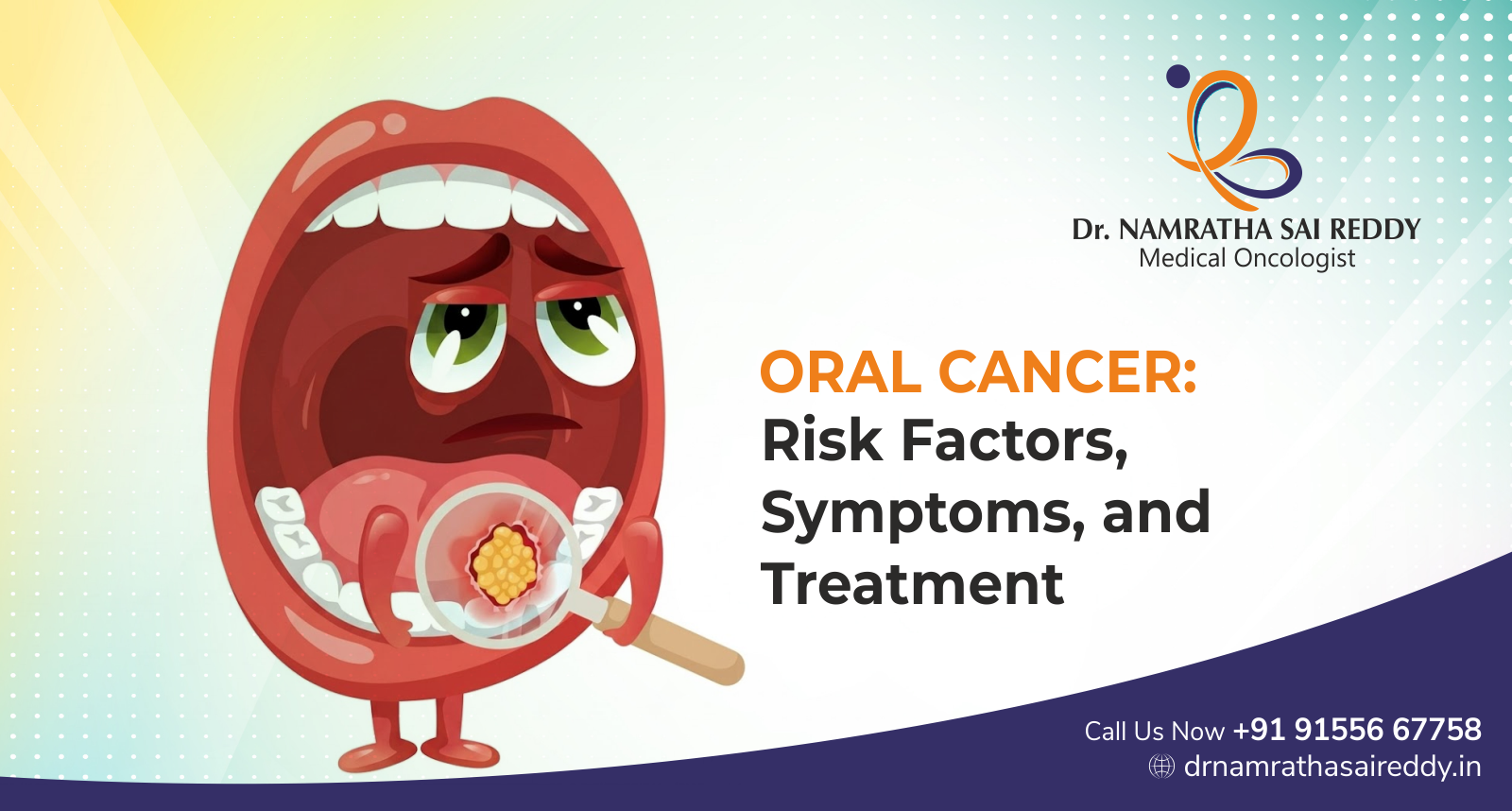
Oral Cancer: Risk Factors, Symptoms, and Treatment – A Complete Patient Guide
Oral cancer is a type of cancer that develops in the lips, tongue, gums, inner cheeks, roof or floor of the mouth. The disease is strongly associated with tobacco use, smokeless tobacco, betel nut (areca nut), heavy alcohol consumption, and certain viral infections. Early symptoms include a mouth ulcer that does not heal, red or white patches, persistent pain, difficulty swallowing, loose teeth, or a lump in the neck. Early diagnosis greatly improves treatment outcomes. Key Takeaways Oral Cancer at a Glance Latest Statistics Introduction A small mouth ulcer is something most people ignore. It may appear after accidentally biting the inside of the cheek, eating spicy food, or wearing ill-fitting dentures. In most cases, these ulcers heal within a week or two. The problem begins when an ulcer refuses to heal. Many people continue using home remedies, pain-relieving gels, or mouthwashes without realising that a persistent ulcer, white patch, or red patch may be an early warning sign of oral cancer. Because these changes are often painless in the beginning, diagnosis is sometimes delayed until the disease has progressed. The encouraging news is that oral cancer is one of the few cancers that can often be detected early through a careful examination of the mouth. Recognising suspicious changes and seeking medical attention promptly can make treatment more effective and improve long-term outcomes. What Is Oral Cancer? Oral cancer is a type of cancer that develops when abnormal cells in the tissues of the mouth begin to grow uncontrollably. It can affect: Most oral cancers are squamous cell carcinomas, meaning they arise from the thin, flat cells lining the inside of the mouth. If left untreated, oral cancer may spread to nearby lymph nodes or other parts of the body. What Causes Oral Cancer? Oral cancer develops because of genetic changes that occur within cells over time. Although these changes can happen naturally, several lifestyle and environmental factors significantly increase the risk. Major Risk Factors for Oral Cancer 1. Tobacco Use Tobacco remains the leading preventable cause of oral cancer. The risk increases with: The longer a person uses tobacco, the greater the risk becomes. Stopping tobacco use at any stage helps reduce future cancer risk. 2. Betel Nut (Areca Nut) Chewing betel nut, with or without tobacco, has been strongly linked to oral cancer. Regular use can also lead to oral submucous fibrosis, a condition that causes progressive stiffness of the mouth and increases the risk of developing oral cancer. 3. Alcohol Consumption Heavy alcohol intake increases oral cancer risk. When alcohol use is combined with tobacco, the risk becomes significantly higher than with either habit alone. 4. Human Papillomavirus (HPV) Certain high-risk strains of human papillomavirus (HPV) are associated with cancers involving the throat and parts of the mouth. Although HPV-related cancers differ somewhat from tobacco-related oral cancers, they remain an important cause of head and neck cancers. 5. Excessive Sun Exposure People who work outdoors for long hours may have an increased risk of lip cancer because of prolonged ultraviolet (UV) exposure. Using lip protection and limiting excessive sun exposure may help reduce this risk. 6. Poor Oral Hygiene Poor oral hygiene alone does not directly cause oral cancer. However, untreated dental problems, chronic irritation, and poor oral health may contribute alongside other risk factors. Regular dental check-ups help identify suspicious changes early. 7. Family History Most oral cancers are not inherited. However, individuals with a strong family history of head and neck cancers may have a slightly increased risk and should remain vigilant about regular oral examinations. Early Symptoms of Oral Cancer One reason oral cancer is often diagnosed late is that early symptoms may be painless. Watch for: These symptoms are not always caused by cancer, but they should never be ignored if they persist. When Should You See a Doctor? Arrange a medical or dental evaluation if you notice: Early evaluation often leads to earlier diagnosis and more treatment options. Expert Insight Most mouth ulcers are harmless and heal within one to two weeks. However, an ulcer, red patch, or white patch that persists beyond two weeks deserves professional evaluation. Early-stage oral cancer is often painless, which is why delaying assessment can allow the disease to progress unnoticed. How Is Oral Cancer Diagnosed? If your doctor suspects oral cancer, the next step is a thorough evaluation to determine whether the lesion is cancerous and, if confirmed, how far it has spread. Early diagnosis is essential because treatment is generally more effective when the disease is detected at an early stage. Diagnosis usually involves a combination of clinical examination, biopsy, and imaging tests. Clinical Examination The doctor will carefully examine: The size, shape, colour, texture, and location of the lesion provide important clues about whether further investigation is needed. Biopsy A biopsy is the only way to confirm oral cancer. During this procedure, a small sample of tissue is removed from the suspicious area and examined under a microscope by a pathologist. The biopsy determines: Imaging Tests Once cancer is confirmed, imaging helps determine the stage of the disease. Depending on the situation, your doctor may recommend: CT Scan A CT scan evaluates: MRI Scan MRI provides detailed images of soft tissues and helps assess tumour depth, particularly in the tongue and floor of the mouth. PET-CT Scan A PET-CT scan may be recommended in selected patients to determine whether cancer has spread to lymph nodes or distant organs and to assist with treatment planning. Ultrasound-Guided Needle Biopsy If enlarged lymph nodes are present in the neck, an ultrasound-guided fine needle aspiration (FNAC) or biopsy may be performed to check for cancer spread. Staging of Oral Cancer After completing the investigations, the cancer is assigned a stage. Staging considers: Knowing the stage helps doctors recommend the most appropriate treatment and estimate the likely outcome. Treatment for Oral Cancer Treatment depends on several factors, including: A multidisciplinary team usually develops a personalised treatment plan. Surgery Surgery is often the primary treatment for early and many
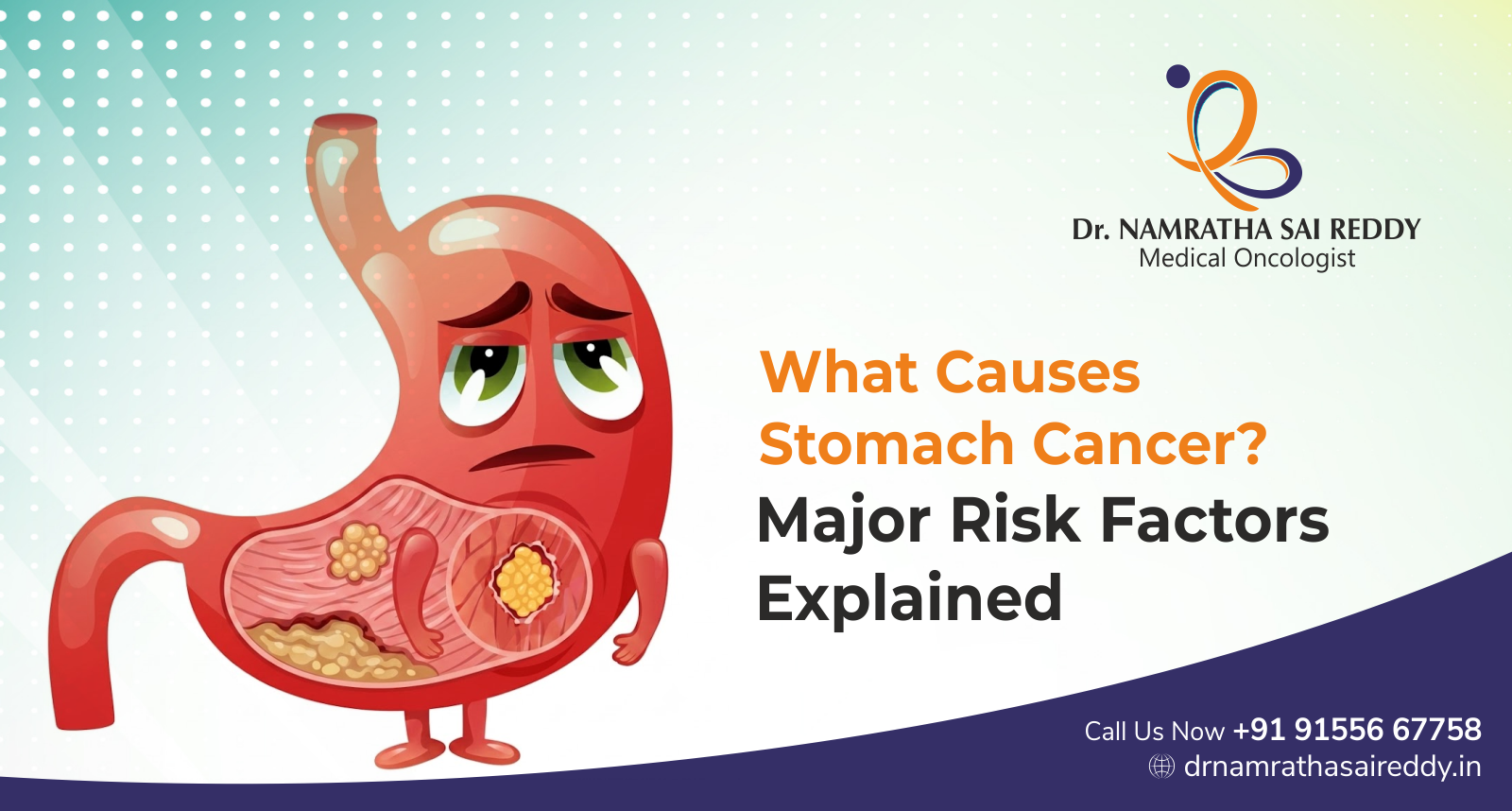
What Causes Stomach Cancer? Major Risk Factors Explained
Stomach cancer, also known as gastric cancer, develops when abnormal cells in the stomach lining grow uncontrollably. There is rarely a single cause. Instead, it usually results from a combination of factors such as long-term Helicobacter pylori (H. pylori) infection, smoking, diets high in salty or processed foods, obesity, chronic stomach inflammation, certain inherited genetic conditions, and increasing age. Identifying these risk factors early can help reduce the likelihood of developing the disease. Key Takeaways Stomach Cancer at a Glance Latest Statistics Introduction Most people experience indigestion, acidity, or bloating at some point in their lives. These symptoms are usually harmless and often improve with simple lifestyle changes or medication. However, when digestive symptoms persist for weeks or keep returning, they deserve medical attention. Stomach cancer rarely develops overnight. In many people, it begins with long-term inflammation of the stomach lining caused by factors such as bacterial infection, smoking, dietary habits, or chronic irritation. These changes occur slowly, often over several years, before cancer develops. Because early stomach cancer may not cause obvious symptoms, many cases are diagnosed only after the disease has progressed. Understanding the major risk factors and recognising early warning signs can help people seek medical care sooner, improving the chances of successful treatment. What Is Stomach Cancer? Stomach cancer, also called gastric cancer, occurs when abnormal cells in the stomach lining begin growing uncontrollably. The stomach plays an essential role in digestion by breaking down food before it moves into the small intestine. Cancer can develop in different parts of the stomach, although most cases begin in the inner lining. The most common type is gastric adenocarcinoma, accounting for the majority of stomach cancer cases worldwide. How Does Stomach Cancer Develop? Healthy stomach cells grow, divide, and replace themselves in an organised manner. Over time, repeated damage to the stomach lining caused by infection, inflammation, smoking, or dietary factors may lead to genetic changes inside these cells. As these abnormal cells continue to multiply without normal control, they may eventually form a tumour. This process usually develops gradually over many years rather than suddenly. Major Risk Factors for Stomach Cancer 1. Helicobacter pylori (H. pylori) Infection One of the strongest known risk factors for stomach cancer is long-term infection with Helicobacter pylori, commonly known as H. pylori. This bacterium lives in the stomach lining and may cause: Although many people infected with H. pylori never develop cancer, persistent untreated infection increases the risk over time. Testing and treating H. pylori when appropriate can reduce future complications. 2. Smoking Smoking exposes the stomach lining to harmful chemicals that increase inflammation and DNA damage. Research consistently shows that smokers have a significantly higher risk of developing stomach cancer compared with non-smokers. The risk decreases after quitting, making smoking cessation one of the most effective preventive measures. 3. Diet High in Salted and Processed Foods Dietary habits influence stomach health over many years. Frequent consumption of: may increase stomach cancer risk, particularly when combined with H. pylori infection. A diet rich in fresh fruits, vegetables, and whole grains appears to be protective. 4. Obesity Excess body weight has been linked to several cancers, including cancers affecting the upper part of the stomach near the oesophagus. Maintaining a healthy weight through balanced nutrition and regular physical activity supports overall digestive health. 5. Chronic Gastritis Long-standing inflammation of the stomach lining can gradually damage healthy cells. People with chronic gastritis, especially when associated with H. pylori or autoimmune disease, may have an increased risk of stomach cancer over time. Regular follow-up is important when recommended by a gastroenterologist. 6. Family History and Genetics Most stomach cancers are not inherited. However, risk may be higher if: People with a strong family history should discuss personalised screening recommendations with their doctor. 7. Increasing Age Although stomach cancer can occur at any age, it becomes more common after the age of 50. Ageing increases the amount of time the stomach lining is exposed to risk factors such as inflammation, smoking, dietary habits, and genetic changes. 8. Previous Stomach Surgery People who have undergone certain types of stomach surgery may develop long-term changes in stomach function that slightly increase future cancer risk. Regular medical follow-up is important in these individuals. Can Stomach Cancer Be Prevented? Not every case can be prevented, but several healthy habits may help reduce risk. These include: Lifestyle changes cannot eliminate risk completely but can significantly improve overall digestive health. Expert Insight Many people assume persistent acidity or indigestion is simply a part of ageing or an unhealthy diet. While this is often true, symptoms that continue despite treatment or recur frequently should not be ignored. Early evaluation allows doctors to identify treatable conditions—including stomach ulcers, H. pylori infection, or, in some cases, early stomach cancer—before complications develop. Early Symptoms of Stomach Cancer One of the biggest challenges with stomach cancer is that it often causes few or no symptoms in its early stages. When symptoms do appear, they are frequently mistaken for common digestive problems such as acidity, indigestion, or gastritis. While these symptoms are usually caused by non-cancerous conditions, they should not be ignored if they persist or worsen over time. Common Early Symptoms If these symptoms continue for more than 2–3 weeks, or repeatedly return despite treatment, seek medical evaluation. Advanced Symptoms As stomach cancer progresses, symptoms may become more noticeable. These can include: These symptoms do not always indicate cancer, but they require prompt medical assessment. When Should You See a Doctor? Many digestive symptoms improve with dietary changes or short-term medication. However, you should consult a healthcare professional if you experience: Early medical evaluation helps identify the underlying cause and allows timely treatment if needed. How Is Stomach Cancer Diagnosed? If stomach cancer is suspected, your doctor will recommend investigations based on your symptoms and medical history. Upper Gastrointestinal Endoscopy Upper GI endoscopy is the most important test for evaluating the stomach. A thin, flexible tube with a camera is passed through the mouth to

Common Chemotherapy Side Effects and How to Manage Them: A Patient’s Guide
Chemotherapy is an effective cancer treatment that destroys or slows the growth of cancer cells. Because these medicines can also temporarily affect healthy fast-growing cells, some patients experience side effects such as fatigue, nausea, hair loss, mouth ulcers, appetite changes, diarrhoea, constipation, or an increased risk of infection. Fortunately, many of these side effects can be prevented, reduced, or effectively managed with modern supportive care and timely medical guidance. Key Takeaways Chemotherapy at a Glance Latest Statistics Introduction Hearing the word chemotherapy can feel overwhelming. For many patients, one of the biggest concerns isn’t just the cancer itself—it’s the fear of treatment and the side effects that may come with it. Stories shared by friends, family, or social media often make chemotherapy seem far more frightening than it actually is. While chemotherapy can cause side effects, it’s important to remember that every patient’s experience is different. Some people continue many of their daily activities throughout treatment, while others may need extra rest and support. Modern cancer care has changed significantly over the past decade. Today, oncologists have access to effective medications and supportive treatments that help prevent or reduce many chemotherapy-related side effects. Understanding what to expect before treatment begins can reduce anxiety, improve confidence, and help patients recognise when they should seek medical advice. Why Does Chemotherapy Cause Side Effects? Chemotherapy medicines are designed to destroy rapidly growing cancer cells. However, some healthy cells in the body also divide quickly, including those found in: As chemotherapy temporarily affects these healthy cells, side effects may develop. The good news is that most healthy cells recover after treatment, which is why many side effects gradually improve once chemotherapy is completed. The type and severity of side effects depend on several factors, including: Experiencing fewer side effects does not mean chemotherapy is less effective. Common Chemotherapy Side Effects 1. Fatigue Fatigue is one of the most frequently reported side effects of chemotherapy. Unlike ordinary tiredness, cancer-related fatigue often doesn’t improve completely with sleep. Patients may notice: How to Manage Fatigue Persistent fatigue should always be discussed with your healthcare team because it may also be related to anaemia, infection, or nutritional deficiencies. 2. Nausea and Vomiting Many people still associate chemotherapy with severe nausea. Fortunately, modern anti-nausea medications have dramatically improved symptom control for most patients. Helpful Tips Persistent vomiting can lead to dehydration and should be reported promptly. 3. Hair Loss Hair loss is often one of the most emotionally challenging side effects of chemotherapy. However, not all chemotherapy medicines cause hair loss. Hair may become thinner or fall out from the scalp, eyebrows, eyelashes, or other parts of the body, depending on the treatment. The reassuring news is that hair usually begins growing back after chemotherapy is completed, although its colour or texture may temporarily change. Coping Tips 4. Mouth Sores Some chemotherapy medicines can irritate the delicate lining inside the mouth, making eating and drinking uncomfortable. Symptoms may include: Mouth Care Tips 5. Loss of Appetite Many patients notice changes in appetite during chemotherapy. Food may taste different, smell unusual, or seem less appealing. Rather than forcing large meals, focus on: A dietitian specialising in oncology nutrition can provide personalised dietary advice if weight loss becomes a concern. Expert Insight One of the biggest misconceptions about chemotherapy is that every patient will experience severe side effects. In reality, treatment plans are highly individualised, and supportive care has advanced considerably. Reporting symptoms early allows the healthcare team to intervene promptly, often preventing minor problems from becoming more serious. 6. Low Immunity and Increased Risk of Infection One of the most important side effects of chemotherapy is its effect on the bone marrow, where blood cells are produced. When chemotherapy temporarily reduces white blood cells (particularly neutrophils), the body’s ability to fight infections decreases. During this period, even a mild infection can become serious if not treated promptly. Signs of Infection That Need Immediate Medical Attention Contact your healthcare team immediately if you develop: Do not take antibiotics on your own. The cause of infection needs to be identified so the right treatment can be started. How to Reduce Infection Risk 7. Anaemia and Low Blood Counts Chemotherapy can also reduce the production of red blood cells, leading to anaemia. Common Symptoms Your doctor will monitor your blood counts regularly throughout treatment. Depending on the severity, treatment may include nutritional support, medications, or blood transfusions in selected situations. 8. Diarrhoea or Constipation Changes in bowel habits are common during chemotherapy. Some medicines irritate the digestive tract, while others—along with pain medications and reduced activity—may slow bowel movements. If You Have Diarrhoea If You Have Constipation Persistent bowel changes should never be ignored. 9. Tingling or Numbness (Peripheral Neuropathy) Certain chemotherapy medicines may affect the nerves, leading to peripheral neuropathy. Symptoms These symptoms may improve after treatment, although recovery can take time in some patients. Tell your oncologist about any nerve-related symptoms as early as possible, as treatment adjustments may be considered. 10. Skin and Nail Changes Chemotherapy can temporarily affect the skin and nails. Patients may notice: Simple measures such as using fragrance-free moisturisers, protecting the skin from excessive sun exposure, and keeping nails trimmed can help minimise discomfort. Emotional Well-being During Chemotherapy Cancer treatment affects more than the body. Many patients experience anxiety, uncertainty, sadness, or frustration during chemotherapy. These emotions are common and should never be viewed as a sign of weakness. Helpful strategies include: Emotional support is an important part of comprehensive cancer care. When Should You Contact Your Doctor Immediately? Do not wait for your next appointment if you experience: Prompt medical attention can help prevent serious complications. Myth vs Fact Myth: Every patient experiences severe chemotherapy side effects.Fact: Side effects vary widely depending on the chemotherapy medicines, dosage, and the individual patient. Many people tolerate treatment better than expected. Myth: Hair loss means chemotherapy is working.Fact: Hair loss depends on the specific medicines used and is not a measure of treatment success. Myth: You should
Personalised Cancer Vaccines: The mRNA Revolution That Came After COVID
Personalised mRNA cancer vaccines are one of the most exciting breakthroughs to emerge after the COVID-19 pandemic. Using the same mRNA technology, these vaccines are designed to train the immune system to recognise and attack a patient’s unique cancer cells. Although still under clinical evaluation, they have the potential to transform cancer treatment through a more precise and personalised approach. Key Takeaways The COVID-19 pandemic introduced the world to messenger RNA (mRNA) vaccines, demonstrating how rapidly this technology could be developed to train the immune system against infectious diseases. But while mRNA vaccines gained global attention during the pandemic, scientists had been researching this technology for decades, particularly in cancer treatment. For many patients, this raises important questions: Is there any vaccine for cancer? Can a cancer cure vaccine eliminate cancer completely? Are these vaccines already available as a cancer vaccine in India? What are the possible cancer vaccine side effects? As a medical oncologist, I believe it is important to separate scientific breakthroughs from unrealistic expectations. Personalised mRNA vaccines represent one of the most promising advances in precision oncology, but they are still being evaluated in clinical trials for many cancers. Understanding where this technology stands today helps patients make informed decisions about emerging treatment options. What Are Cancer Vaccines? One of the most common questions patients ask is, what are cancer vaccines? Unlike vaccines that protect against infections such as influenza or COVID-19, a cancer vaccine is designed to stimulate the body’s immune system to recognise and attack cancer cells. Broadly, vaccines and cancer fall into two categories: Preventive vaccines reduce the risk of developing certain cancers caused by infections, while therapeutic vaccines are intended to treat existing cancers by enhancing the body’s immune response against tumour cells. Is There Any Vaccine for Cancer? The answer is yes, but it depends on the type of vaccine. Currently, there are two major categories: 1. Preventive Cancer Vaccines These vaccines help prevent cancers linked to viral infections. Examples include: These are considered cancer prevention vaccine strategies because they prevent infections that can eventually lead to cancer. 2. Therapeutic Cancer Vaccines These vaccines are given after cancer has already developed. Rather than preventing cancer, they help the immune system recognise tumour cells and destroy them. Personalised mRNA vaccines belong to this category and represent the next generation of anti cancer vaccine research. What is a Personalised mRNA Cancer Vaccine? A personalised cancer vaccine is created specifically for an individual patient. Instead of targeting a virus, scientists first analyse the patient’s tumour using advanced genomic sequencing. This allows them to identify unique proteins, called neoantigens, that exist only on that person’s cancer cells. Researchers then develop an mRNA vaccine containing instructions for producing these neoantigens. Once injected, the vaccine teaches the immune system to recognise these abnormal proteins and mount a targeted immune response against the tumour. Unlike chemotherapy, which affects both healthy and cancerous cells, personalised mRNA vaccines are designed to generate a highly specific immune attack against cancer cells. This precision is one of the reasons personalised anti cancer vaccine technology is generating enormous interest worldwide. How Did COVID Accelerate Cancer Vaccine Research? Although mRNA technology was not invented during the COVID-19 pandemic, the global response dramatically accelerated its development. The pandemic demonstrated that scientists could: These advances benefited oncology research in several ways. Researchers now have improved manufacturing platforms, better delivery systems, a greater understanding of immune activation, and more efficient clinical trial processes. As a result, personalised cancer vaccine development has progressed much faster than many experts anticipated before 2020. How Do Personalised Cancer Vaccines Work? The process is remarkably sophisticated. It generally involves the following steps: Step 1: Tumour Sequencing A sample of the patient’s tumour is analysed to identify its unique genetic mutations. Step 2: Neoantigen Selection Artificial intelligence and advanced computational tools identify which mutations are most likely to trigger an immune response. Step 3: Vaccine Manufacturing Scientists produce an mRNA vaccine containing instructions for those selected tumour-specific proteins. Step 4: Vaccination The patient receives the vaccine through an injection. Step 5: Immune Activation Immune cells learn to recognise the tumour-specific proteins and begin attacking cancer cells carrying those markers. Because every tumour is genetically different, every personalised cancer vaccine is unique to the individual patient. Which Cancers Could Benefit from Personalised mRNA Vaccines? Researchers are investigating personalised mRNA vaccines across a growing number of cancers. Current clinical trials include: Some of the most encouraging results have been reported in melanoma, where personalised mRNA vaccines are being studied alongside immunotherapy to reduce the risk of cancer recurrence after surgery. While these findings are promising, more research is needed before these vaccines become part of routine care for all cancer types. Is the Cancer Vaccine Successful? Some therapeutic cancer vaccines are already approved for specific cancers. In addition, early clinical trials of personalised mRNA vaccines have shown promising results, particularly when combined with immune checkpoint inhibitors. For example, studies in melanoma have demonstrated that combining a personalised mRNA vaccine with immunotherapy may reduce the risk of cancer recurrence compared with immunotherapy alone. However, these vaccines are still being evaluated in larger clinical trials before they become widely available. For this reason, it is more accurate to say that personalised cancer vaccine technology has shown significant promise rather than claiming it is a universal cure. Is There a Cancer Vaccine in India? India already has access to cancer prevention vaccine options, including the HPV vaccine to reduce the risk of cervical and several other HPV-related cancers, as well as the Hepatitis B vaccine, which helps lower the risk of liver cancer. However, personalised mRNA cancer vaccine therapies are still in the research and clinical trial phase worldwide. While Indian researchers and biotechnology companies are actively exploring cancer vaccine technologies, personalised mRNA vaccines have not yet become part of routine clinical practice in India. As global clinical trials continue to report encouraging results, it is expected that these therapies may eventually become available to a broader patient

What Is a Liquid Biopsy and Why It Could Replace Traditional Cancer Biopsies
Unlike conventional biopsies that require removing a sample of tissue through surgery or a needle, a liquid biopsy involves analysing a simple blood sample to detect cancer-related genetic material circulating in the bloodstream. This breakthrough is transforming how oncologists diagnose cancer, monitor treatment response, identify recurrence, and personalise therapy. Key Takeaways For many patients, hearing the word “biopsy” can be frightening. Questions like is biopsy only for cancer, what is biopsy test for cancer, is biopsy safe for cancer, do biopsies spread cancer, and does cancer spread faster after biopsy are common concerns that deserve clear, evidence-based answers. As a medical oncologist, I believe patients should understand not only why biopsies are performed but also how emerging technologies like liquid biopsy cancer testing are improving cancer care. What Is a Liquid Biopsy? A liquid biopsy is a minimally invasive test that looks for cancer-related material in body fluids, most commonly blood. Instead of removing a piece of the tumour, the test searches for tiny fragments released by cancer cells into the bloodstream. These include: Because tumours constantly shed these materials, doctors can gather valuable information about a patient’s cancer through a blood sample. A liquid biopsy test does not replace every conventional biopsy today, but it is increasingly becoming an important tool in modern oncology. How Does a Liquid Biopsy Procedure Work? The liquid biopsy procedure is straightforward and similar to having a routine blood test. The process typically involves: Unlike surgical biopsies, patients usually require: Results often become available within a few days, depending on the laboratory and the complexity of genetic analysis. What Is a Biopsy Test for Cancer? A biopsy test for cancer is a diagnostic procedure in which doctors remove cells or tissue from a suspicious area so that a pathologist can examine them under a microscope. The tissue helps determine: Traditional biopsies remain essential because they provide information that blood-based tests cannot always capture. Today, however, liquid biopsy cancer testing is increasingly being used alongside tissue biopsies to provide additional genetic information that supports precision medicine. How Is a Liquid Biopsy Different from a Traditional Biopsy? Both procedures aim to diagnose and understand cancer, but they differ significantly. Traditional Tissue Biopsy Liquid Biopsy Removes tumour tissue Uses a blood sample May require surgery or needle biopsy Simple blood draw Can be invasive Minimally invasive Usually, samples one part of the tumour May capture DNA from multiple tumour sites Recovery may be needed Minimal recovery Difficult to repeat frequently Easy to repeat during treatment One important advantage of a liquid biopsy is that it can provide a broader picture of cancer because different tumour sites throughout the body may release DNA into the bloodstream. This helps doctors understand tumour evolution over time. Why Is Liquid Biopsy Cancer Testing Becoming So Important? Cancer is not static. As cancer cells grow and divide, they develop new genetic mutations. Some of these mutations can make treatments stop working. Traditionally, obtaining another tissue sample to study these changes meant repeating an invasive biopsy. A liquid biopsy test makes this process much easier. Doctors can monitor genetic changes over time by analysing blood samples taken during treatment. Research published in Nature Reviews Clinical Oncology highlights that liquid biopsy enables serial monitoring of circulating tumour DNA (ctDNA), allowing clinicians to identify treatment-resistant mutations, monitor tumour evolution, and assess response to therapy without repeated invasive tissue biopsies. This ability to monitor cancer continuously is one of the biggest reasons why liquid biopsy cancer technology is changing oncology. Can a Liquid Biopsy Detect Cancer Early? Early cancer detection is one of the most promising applications of liquid biopsy technology. In the Circulating Cell-free Genome Atlas (CCGA) study, researchers evaluated a methylation-based blood test using samples from 15,254 participants across 142 sites in North America. The test demonstrated a specificity of 99.5%, meaning false-positive results occurred in only 0.5% of individuals without cancer, while also detecting cancer signals across more than 50 cancer types. These findings highlight the potential of liquid biopsy as a complementary tool for earlier cancer detection, although further validation is still underway. The potential advantages include: However, these tests are not yet suitable for replacing all established cancer screening programmes. For now, they serve as complementary tools in selected patients and continue to evolve as scientific evidence grows. Which Cancers Can Be Evaluated Using a Liquid Biopsy Test? A liquid biopsy test is currently used in several cancer types, particularly where molecular profiling guides treatment decisions. These include: In many of these cancers, identifying specific genetic mutations helps doctors select targeted therapies that are more likely to be effective. Rather than using a one-size-fits-all approach, treatment can be personalised based on the tumour’s unique genetic profile. Can Liquid Biopsy Replace Traditional Cancer Biopsies? This is one of the most common questions patients ask. The answer is: not yet, but it may in selected situations. Traditional tissue biopsies still provide essential information about: A liquid biopsy cannot always provide this level of detail. However, there are situations where a liquid biopsy may reduce the need for repeated tissue biopsies, especially when: For many patients, the future of cancer diagnosis is likely to involve both tissue biopsies and liquid biopsy technologies working together rather than one completely replacing the other. Does Cancer Spread Faster After Biopsy? The answer is no. Cancer spreads because of its own biological behaviour, not because a biopsy has been performed. Tumour cells grow, invade nearby tissues, and travel through blood vessels or lymphatic channels as part of the natural progression of the disease. A biopsy does not accelerate this process. In some cases, patients notice that a tumour seems larger or more painful after the procedure. This is usually due to temporary inflammation, bruising, or swelling caused by the biopsy itself, not because the cancer is growing more rapidly. Accurate diagnosis through a biopsy actually helps doctors begin treatment sooner, improving the chances of controlling the disease effectively. Is Biopsy Safe for Cancer? Yes. In experienced hands,
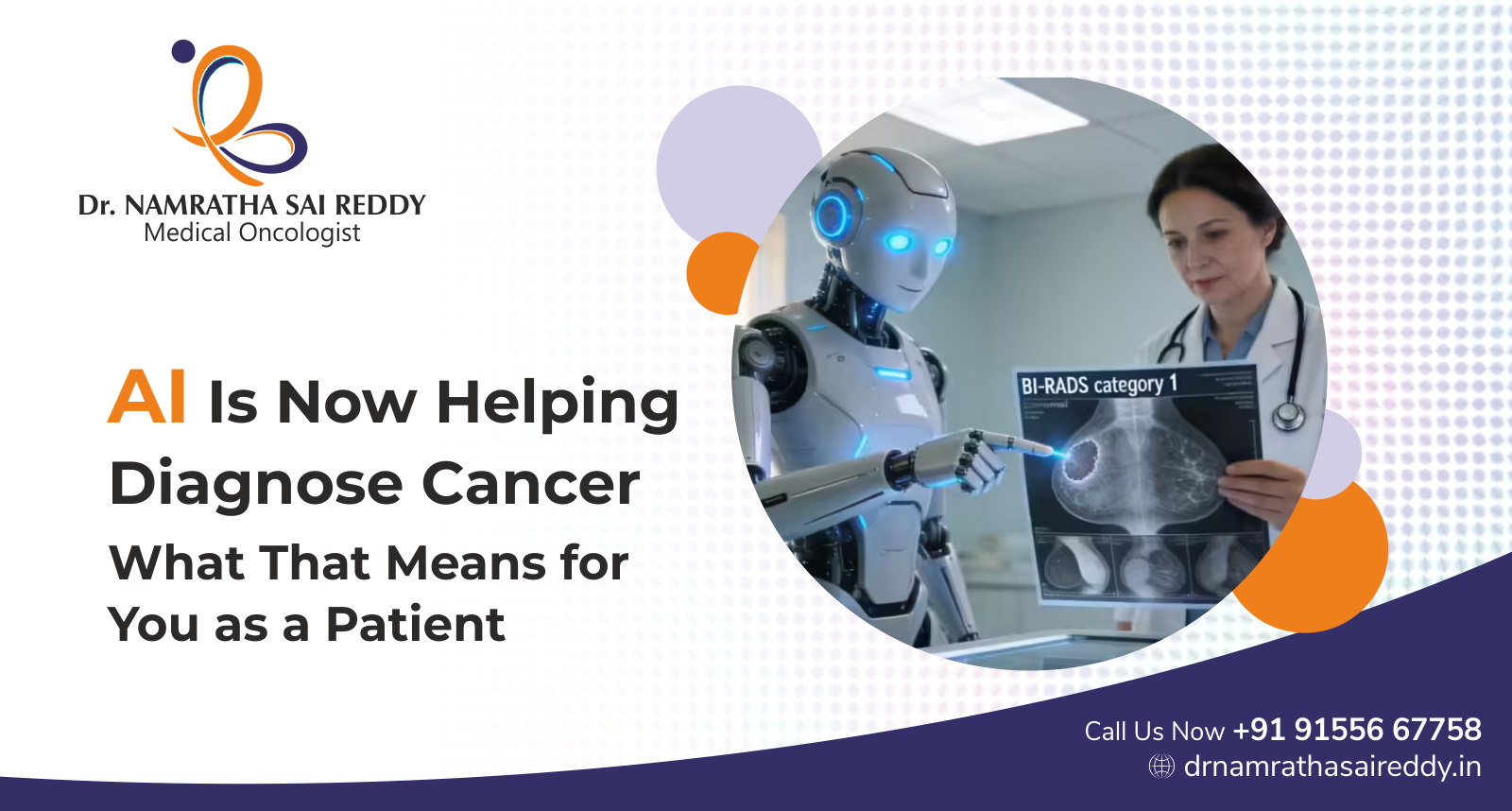
AI Is Now Helping Diagnose Cancer: What That Means for You as a Patient
Key Takeaways The reality is that AI is not replacing cancer specialists. Instead, it is helping them make faster, more accurate, and more personalised decisions. Understanding the role of AI in cancer care can help patients feel more informed and confident about the future of their treatment. Artificial Intelligence (AI) is rapidly transforming healthcare, and cancer care is one of the areas seeing some of the most exciting developments. From identifying suspicious lesions on scans to helping doctors select personalised treatment plans, AI is increasingly becoming a valuable tool in modern oncology. What Is the Connection Between AI and Cancer? The relationship between AI and cancer involves using advanced computer systems to analyse large amounts of medical data and identify patterns that may be difficult for humans to detect. Modern AI cancer technologies can process: By analysing millions of data points, AI systems can assist healthcare teams in detecting cancer earlier, predicting treatment responses, and improving clinical decision-making. An AI system developed for breast cancer screening reduced false positives by 5.7% and false negatives by 9.4% compared with traditional screening methods. The growing partnership between AI and cancer research is helping clinicians deliver more precise and personalised care than ever before. How Does AI Detect Cancer? AI systems are trained using thousands or even millions of medical images and patient records. Through machine learning algorithms, these systems learn to recognise patterns associated with cancer. For example, AI cancer detection tools may identify: When discussing how does AI detect cancer, it is important to understand that AI does not make a diagnosis independently. Instead, it highlights areas of concern that physicians can review and evaluate. Think of AI as a highly advanced assistant that helps doctors identify abnormalities more quickly and accurately. Can AI Cancer Detection Improve Early Diagnosis? Early diagnosis remains one of the most important factors influencing cancer outcomes. Researchers estimate that AI applications could improve diagnostic accuracy in medical imaging by up to 20% in certain clinical settings. Several studies suggest that AI cancer detection can improve the accuracy and speed of identifying certain cancers. For example, a landmark study published in Nature found that an AI system developed for breast cancer screening reduced false positives and false negatives while matching or exceeding expert radiologist performance. Researchers believe that AI cancer detection may help: Because treatment outcomes are often better when cancer is detected early, advancements in AI cancer detection have the potential to save lives. Is AI More Accurate Than Doctors at Diagnosing Cancer? This is one of the most searched questions about AI cancer technologies. The answer is not straightforward. In some specific tasks, such as analysing imaging studies or pathology slides, AI systems have demonstrated performance comparable to highly experienced specialists. However, a cancer diagnosis involves much more than image analysis. Doctors consider: Currently, the best outcomes occur when AI and healthcare professionals work together. Rather than replacing doctors, AI and cancer technologies are creating a collaborative model where human expertise is enhanced by advanced computational analysis. How Is AI Being Used in Cancer Treatment? The role of AI in cancer treatment extends far beyond diagnosis. Today, AI is helping oncologists make more informed treatment decisions by analysing large datasets and identifying patterns that influence outcomes. Applications of AI in cancer treatment include: 1. Treatment Planning AI can analyse clinical data and recommend evidence-based treatment options. 2. Precision Oncology Genomic testing generates enormous amounts of information. AI helps identify genetic mutations that may respond to targeted therapies. 3. Predicting Treatment Response Some AI systems can estimate how likely a patient is to respond to chemotherapy, immunotherapy, or targeted therapy. 4. Radiation Therapy Optimisation AI can help design highly precise radiation plans while minimising damage to healthy tissues. As technology advances, AI in cancer treatment is expected to become increasingly personalised and sophisticated. How Is AI Improving Cancer Care Beyond Diagnosis? The impact of AI in cancer care goes well beyond detecting tumours. Healthcare systems are now using AI to improve multiple aspects of the patient experience. Examples of AI in cancer care include: These innovations help healthcare teams provide more efficient and patient-centred care. By streamlining routine tasks, AI in cancer care allows doctors and nurses to spend more time focusing on patients. Can AI Help Develop Better Cancer Treatments? One of the most exciting areas of research involves using AI to accelerate drug discovery. Traditional drug development can take more than a decade and cost billions of dollars. AI systems can analyse enormous biological datasets and identify promising drug candidates much faster. Researchers are using AI and cancer technologies to: Many experts believe AI will significantly accelerate future breakthroughs in oncology research. Is There an AI Cure for Cancer? Many patients wonder whether an AI cure for cancer already exists. The simple answer is no. There is currently no universal AI cure for cancer, and cancer remains a complex group of diseases requiring individualised treatment. However, AI is helping researchers: Rather than being an AI cure for cancer, AI serves as a powerful tool that supports doctors, scientists, and researchers in improving cancer care and outcomes. Are There Any Limitations to AI in Cancer Care? Despite its promise, AI is not perfect. Some limitations include: For this reason, AI should always be viewed as a tool that supports medical professionals rather than replacing them. Responsible implementation of AI in cancer care requires careful oversight, transparency, and continuous evaluation. What Does the Future of AI and Cancer Look Like? Experts believe the future of AI and cancer will involve increasingly personalised care. In the coming years, AI may help: As these technologies mature, patients can expect more precise diagnoses, more tailored treatments, and potentially better outcomes. What Should Patients Know About AI in Cancer Care? The rise of AI and cancer technologies represents one of the most significant advancements in modern oncology. While AI cannot replace the expertise, judgment, and compassion of cancer specialists, it can help improve diagnosis, treatment planning, and overall patient
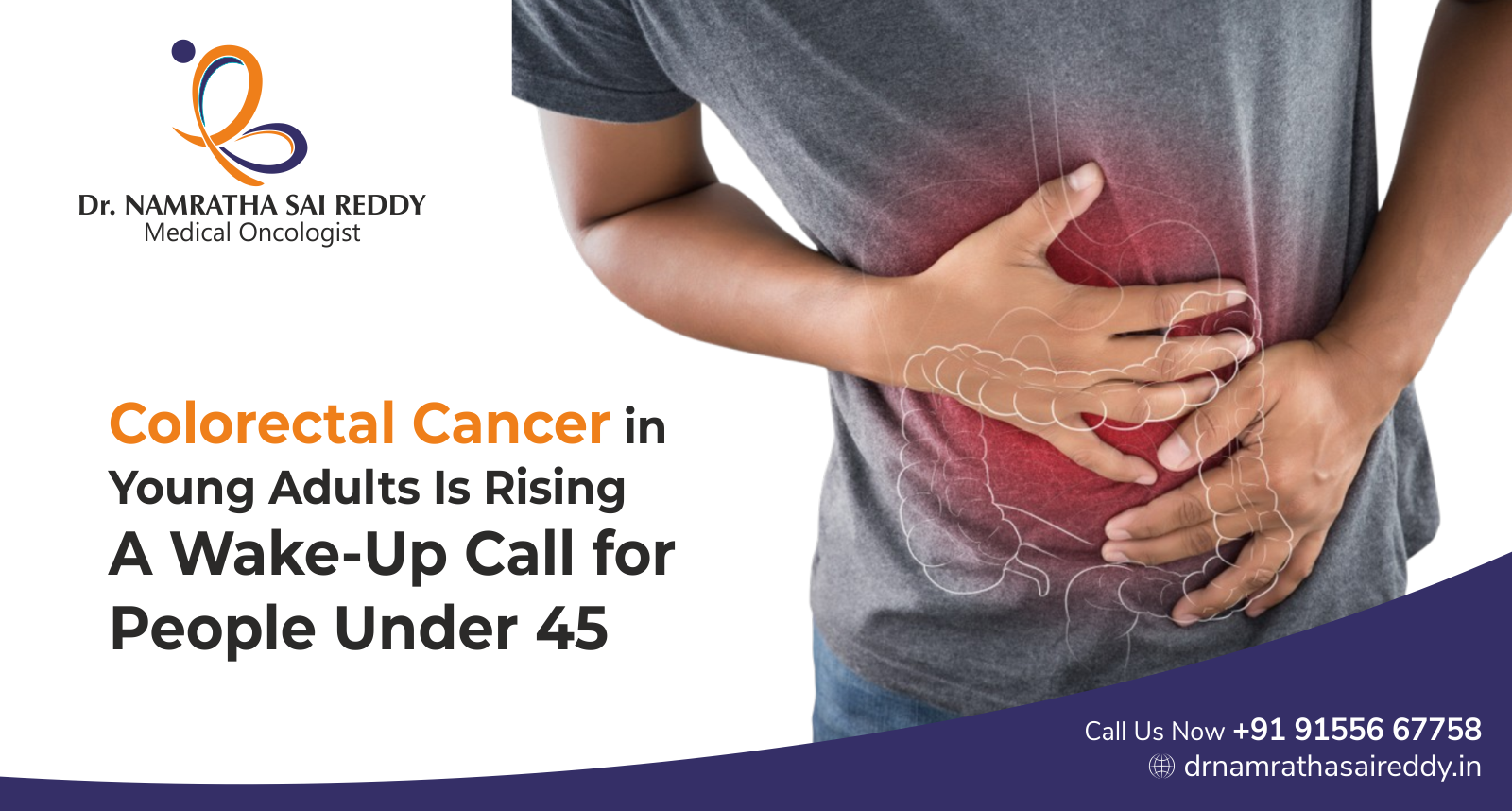
Colorectal Cancer in Young Adults Is Rising: A Wake-Up Call for People Under 45
Key Takeaways For years, colorectal cancer was considered a disease that primarily affected people over the age of 50. However, oncologists around the world are witnessing a concerning trend: increasing numbers of adults in their 20s, 30s, and early 40s are being diagnosed with the disease. This rise in early-onset colorectal cancer has prompted healthcare organisations to lower screening recommendations and increase public awareness efforts. Unfortunately, many younger adults dismiss symptoms because they believe they are “too young” to develop cancer, leading to delayed diagnoses and poorer outcomes. Understanding the signs of colorectal cancer, identifying colorectal cancer risk factors, and knowing when to seek medical attention can help save lives. Why Is Colorectal Cancer Increasing in Adults Under 45? The exact reasons behind the rise remain under investigation, but researchers believe a combination of lifestyle, environmental, and genetic factors is contributing to the increase. According to the American Cancer Society, colorectal cancer incidence among adults younger than 50 has been increasing by approximately 2.2% annually in recent years. At the same time, colorectal cancer deaths in younger adults have also been rising. Several factors may be driving this trend: These are some of the most significant colorectal cancer risk factors identified today. What Is Colorectal Cancer and What Are the Different Types of Colorectal Cancer? Colorectal cancer develops in the colon or rectum, which are parts of the large intestine. Most cancers begin as small, noncancerous growths called polyps that gradually become malignant over time. There are several types of colorectal cancer, including: 1. Adenocarcinoma The most common form accounts for approximately 95% of cases. It develops from glandular cells lining the colon and rectum. 2. Neuroendocrine Tumours Rare cancers arising from hormone-producing cells within the digestive tract. 3. Gastrointestinal Stromal Tumours (GISTs) These uncommon tumours originate from connective tissue cells within the gastrointestinal tract. 4. Lymphomas A rare form involving immune system cells found in the colon or rectum. Understanding the various types of colorectal cancer helps oncologists determine the most appropriate treatment plan. What Are the Major Colorectal Cancer Risk Factors in Young Adults? While anyone can develop colorectal cancer, certain factors significantly increase the risk. Common colorectal cancer risk factors include: Having one or more risk factors does not guarantee cancer will develop, but it does increase the importance of regular medical evaluation and screening. Approximately 1 in 5 new colorectal cancer cases in the United States now occur in individuals younger than 55. What Are the Early Signs of Colorectal Cancer? One of the greatest challenges with colorectal cancer in younger adults is that symptoms are often overlooked or attributed to less serious conditions. Common signs of colorectal cancer include: Many young adults delay seeking treatment because they assume symptoms are related to haemorrhoids, stress, or digestive issues. Unfortunately, this delay can result in diagnosis at a more advanced stage. How Is Colorectal Cancer Diagnosed? Diagnosis typically begins with a thorough review of symptoms, personal history, and family history. The diagnostic process may include: 1. Colonoscopy The gold standard for diagnosis and screening. During a colonoscopy, doctors can directly examine the colon and remove suspicious polyps. 2. Biopsy Tissue samples obtained during colonoscopy are examined under a microscope to confirm cancer. 3. Blood Tests Blood work may reveal anaemia or tumour markers associated with colorectal cancer. 4. Imaging Studies CT scans, MRI scans, and PET scans help determine whether cancer has spread. Understanding how is colorectal cancer diagnosed is important because early detection significantly improves treatment outcomes. What Are the Different Stages of Colorectal Cancer? After diagnosis, doctors determine the extent of the disease using colorectal cancer staging. Stage 0 Cancer is limited to the innermost lining of the colon. Stage I Cancer has invaded deeper layers but remains localised. Stage II Cancer has grown through the bowel wall but has not reached nearby lymph nodes. Stage III Cancer has spread to the regional lymph nodes. Stage IV Cancer has spread to distant organs such as the liver, lungs, or peritoneum. Accurate colorectal cancer staging plays a critical role in determining the most effective treatment approach. What Is the Best Colorectal Cancer Treatment for Young Adults? Modern colorectal cancer treatment is highly individualised and depends on the stage, location, molecular characteristics, and overall health of the patient. Treatment options may include: The goal of colorectal cancer treatment is to remove or destroy cancer cells while preserving quality of life whenever possible. When Is Colorectal Cancer Surgery Recommended? For many patients, colorectal cancer surgery remains the cornerstone of treatment. Types of colorectal cancer surgery may include: Advances in laparoscopic and robotic-assisted techniques have improved recovery times and reduced postoperative complications. When detected early, colorectal cancer surgery can often be curative. What Is Colorectal Cancer Targeted Therapy and Who Can Benefit From It? One of the most exciting advances in oncology is colorectal cancer targeted therapy. Unlike chemotherapy, which affects both cancerous and healthy cells, targeted therapy focuses on specific molecular abnormalities that drive cancer growth. Examples include: Patients with specific genetic mutations may benefit significantly from colorectal cancer targeted therapy, often experiencing improved outcomes and fewer side effects. What Are the Possible Complications of Colorectal Cancer? If left untreated, several serious complications of colorectal cancer can develop. These include: Advanced-stage disease is associated with a greater risk of complications of colorectal cancer, highlighting the importance of early diagnosis. How Can Colorectal Cancer Be Prevented? Although not every case is preventable, effective colorectal cancer prevention strategies can substantially reduce risk. Recommended approaches include: Regular screening remains one of the most effective forms of colorectal cancer prevention because precancerous polyps can be removed before they become cancerous. How Common Is Colorectal Cancer in India? The burden of colorectal cancer in India is increasing steadily. Historically, colorectal cancer rates in India were lower than those seen in Western countries. However, urbanisation, changing dietary habits, obesity, and sedentary lifestyles have contributed to a growing number of cases. Healthcare experts now recognise colorectal cancer in India as an emerging public health

What Happens After a Cancer Diagnosis? Your First 30 Days Explained
Key Takeaways: The first 30 days after a cancer diagnosis are often emotionally intense, but they are also one of the most important periods in your care journey. During this time, doctors gather detailed information about the disease, perform additional investigations, determine the stage of cancer, and create a personalised treatment plan. Contrary to what many people fear, treatment decisions are usually not made overnight. Cancer care today is highly specialised and carefully planned. The goal of the first month is to fully understand the cancer before beginning the most effective treatment approach. According to the World Health Organization (WHO), early diagnosis and timely treatment significantly improve cancer outcomes and survival rates worldwide. This guide explains what patients and families can realistically expect during the first 30 days after an oncology diagnosis. Why the First 30 Days Matter Hearing the words “you have cancer” can feel overwhelming. For many people, the first reaction after an oncology diagnosis is fear, confusion, and uncertainty about what comes next. Questions begin racing through the mind almost immediately: The first month after diagnosis is not just about treatment; it is about understanding the disease completely. Doctors use this time to determine: Modern oncology is highly personalised. Two patients with the same cancer type may receive completely different treatments depending on genetics, tumour biology, age, stage, and overall health. This is why careful evaluation during the early weeks is essential. Day 1–3: Processing the Diagnosis Emotionally The first few days after hearing a diagnosis are usually emotionally difficult. Patients commonly experience: Some people immediately search online for answers about: These emotional reactions are completely normal. Why Emotional Support Matters Early Research from the National Cancer Institute shows that emotional distress after diagnosis can affect sleep, appetite, concentration, and decision-making. This is why oncologists often encourage: The first few days are not the time to panic or assume the worst. Day 3–7: Understanding Your Exact Cancer Type Not all cancers behave the same way. One of the most important steps after an oncology diagnosis is identifying: Why This Matters Different cancers require completely different treatment approaches. For example: This is also when patients begin learning about the various types of cancer and symptoms associated with their disease. Common Cancer Features Doctors Evaluate Doctors assess several important cancer features, including: These details help create an accurate treatment plan. Day 5–10: Additional Tests Begin After diagnosis, additional investigations are often required before treatment starts. Patients are sometimes surprised that treatment does not begin immediately, but these tests are necessary to understand the disease fully. Common Tests Performed After Diagnosis Blood Tests Doctors check: Imaging Scans Scans help determine whether cancer has spread. Common imaging studies include: Biopsy Review In many cases, pathology samples are reviewed again to confirm diagnosis accuracy. Molecular or Genetic Testing Some cancers require advanced testing to identify mutations that may respond to targeted therapies. Understanding the Importance of a “Test to Check for Cancer” Many patients ask whether there is one universal test to check for cancer. The answer is no. A cancer diagnosis usually involves multiple investigations because each cancer behaves differently. According to the American Cancer Society, a cancer diagnosis may involve imaging, biopsies, laboratory testing, endoscopy, and molecular analysis, depending on the cancer type. Why Multiple Tests Are Necessary Doctors need to understand: These tests help avoid unnecessary or ineffective treatments. Day 7–14: Meeting the Oncology Team Cancer care today is multidisciplinary. This means patients may meet: Each specialist contributes to the treatment strategy. What Happens During These Consultations? Doctors explain: This is also the time when patients should ask questions freely. Questions Patients Should Ask During the First Two Weeks Patients often feel overwhelmed and forget important questions during appointments. Helpful questions include: Clear communication helps patients feel more confident and informed. Day 10–20: Creating a Personalised Treatment Plan Once all investigations are complete, the oncology team develops an individualised treatment strategy. Possible Treatment Options Depending on the cancer type and stage, treatment may include: Many patients ask: is there a treatment for cancer that guarantees a cure? The answer depends on: Many cancers today are highly treatable, especially when detected early. Understanding How Cancer Happens Patients often blame themselves after diagnosis and search for explanations about how cancer happens. Cancer develops when abnormal cells begin growing uncontrollably due to genetic damage or mutations. Common Factors Linked to Cancer Development Some major contributors include: However, in many patients, there may not be a single identifiable main reason for cancer. Cancer is usually caused by a combination of factors over time. According to the National Cancer Institute, most cancers develop because of interactions between genetics, lifestyle, and environmental exposures. Day 15–25: Preparing Physically and Mentally for Treatment Once treatment plans are finalised, preparation begins. Patients may undergo: Why Preparation Matters Proper preparation can: Mental preparation is equally important. Counselling and support groups often help patients manage fear and uncertainty before treatment starts. Recognising Common Cancer Symptoms Different cancers produce different symptoms, but certain warning signs appear more commonly. Common Cancer Symptoms May Include: Because many types of cancer and symptoms overlap with less serious illnesses, medical evaluation is essential. Ignoring a persistent cancer symptom may delay diagnosis. Day 20–30: Starting Treatment For many patients, treatment begins during the third or fourth week after diagnosis. The timing depends on: What Patients Often Feel Before Treatment Common emotions include: These feelings are completely understandable. Modern oncology teams now focus heavily on: Important Statistics About Early Cancer Care Early Detection Improves Survival The World Health Organization states that many cancers have a high chance of cure if diagnosed early and treated appropriately. Cancer Is Increasing Worldwide According to the International Agency for Research on Cancer (IARC): The First Month Is About Clarity, Not Panic The first 30 days after a cancer diagnosis can feel emotionally exhausting, but they are also one of the most important phases of care. This period allows doctors to understand the disease completely, evaluate all available treatment options, and

10 Cancer Myths Your Doctor Wants You to Stop Believing
Key Takeaways Cancer remains one of the most feared diseases globally, but also one of the most misunderstood. Despite major advancements in medicine, myths and misinformation about cancer continue to spread through social media, internet forums, WhatsApp forwards, and word-of-mouth advice. These misconceptions are not harmless. False beliefs about cancer often delay screenings, discourage treatment, increase stigma, and create unnecessary fear among patients and families. According to the World Health Organization (WHO), cancer accounted for nearly 10 million deaths worldwide, making it one of the leading causes of death globally. At the same time, survival rates for many cancers have improved dramatically because of early detection and advances in treatment. Understanding the truth behind common cancer myths can help people make informed healthcare decisions and avoid dangerous misinformation. Why Cancer Myths Are So Harmful Fear creates confusion and confusion creates myths. When people hear the word “cancer,” they often search online for answers about: Unfortunately, many online sources promote misleading or scientifically inaccurate claims. The National Cancer Institute (NCI) warns that false information about cancer can “hinder good prevention and treatment decisions. Myth 1: Cancer Is Always a Death Sentence Fact: Many cancers today are treatable and many are curable. One of the oldest general myths about cancer is that every diagnosis automatically leads to death. This belief is outdated. Modern oncology has transformed cancer care through: According to the American Cancer Society Cancer Statistics Report, nearly 70% of people diagnosed with cancer now survive at least five years after diagnosis — a dramatic improvement compared to previous decades. The National Cancer Institute’s Cancer Myths Page also reports that five-year survival rates for cancers like breast, prostate, and thyroid cancer are now above 90% in many cases. Why This Myth Is Dangerous Believing cancer is always fatal may cause people to: A cancer diagnosis today is not the same as it was 20 or 30 years ago. Myth 2: Cancer Is Contagious Fact: No, is cancer contagious? Absolutely not. You cannot get cancer from: This misconception creates unnecessary isolation and emotional distress for patients. The National Cancer Institute clearly states that cancer does not spread from person to person like infections such as flu or COVID-19. Then Why Are People Confused? Certain infections can increase cancer risk, including: However, the infection may spread not the cancer itself. So when people ask whether cancer can be transmitted, the answer is generally no. Myth 3: Sugar Feeds Cancer and Eliminating Sugar Can Cure It Fact: All cells use glucose, not just cancer cells. This is one of the most widespread cancer myths and facts debates online. Cancer cells do consume glucose for energy, but so do: Completely eliminating sugar does not “starve” cancer. What Research Actually Shows The stronger link is between: The World Health Organization Cancer Fact Sheet states that high body mass index, low fruit and vegetable intake, alcohol use, and inactivity contribute significantly to cancer risk worldwide. Extreme diets during cancer treatment may weaken immunity and worsen nutritional health. Myth 4: If Nobody in Your Family Had Cancer, You Won’t Get It Fact: Most cancers are not inherited. Many people wrongly assume that family history is the only reason cancer develops. According to the National Cancer Institute, only about 5–10% of cancers are linked to inherited genetic mutations. The remaining majority occur due to aging, lifestyle, environmental exposure, and random genetic mutations over time. Common Examples of Stuff That Causes Cancer This is why even healthy people with no family history may occasionally develop cancer. Myth 5: Surgery or Biopsy Makes Cancer Spread Fact: Biopsies and surgeries are critical for diagnosis and treatment. This is one of the most dangerous cancer myths vs facts misunderstandings because it may stop patients from seeking treatment. The National Cancer Institute Cancer Myths Page explains that the chances of surgery or biopsy causing cancer spread are extremely low. Surgeons use specialized techniques to prevent tumor cell spread during procedures. Why Biopsies Matter Biopsies help doctors: Without biopsy confirmation, effective treatment planning becomes difficult. Myth 6: Mobile Phones and Microwaves Cause Cancer Fact: There is currently no strong evidence proving normal use directly causes cancer. People often fear everyday technology because radiation sounds dangerous. However, microwaves and cell phones use non-ionizing radiation, which differs from harmful ionizing radiation like X-rays. The National Cancer Institute notes that many commonly feared causes of cancer have not been scientifically proven. What Actually Raises Risk More Scientifically established risk factors include: Understanding real risks matters far more than believing viral internet myths. Myth 7: Positive Thinking Alone Can Cure Cancer Fact: Emotional strength helps — but medical treatment is essential. Mental wellbeing absolutely matters during cancer care. Emotional support can improve: However, positive thinking alone cannot eliminate cancer cells. Modern Cancer Care Is Multifaceted Today’s treatment may include: Patients do better when emotional support works alongside evidence-based treatment. Myth 8: If You Feel Fine, You Don’t Have Cancer Fact: Many cancers have no symptoms early on. People frequently search online for how to know if you have cancer, but early-stage cancer is often silent. According to the World Health Organization, many cancers can be successfully treated if detected early. Some Early Cancers That May Have Few Symptoms Warning Signs That Should Never Be Ignored Early medical evaluation saves lives. Myth 9: Cancer Always Spreads Quickly Fact: Every cancer behaves differently. One of the biggest fears after diagnosis is whether does cancer spread immediately. The truth is that cancer behavior depends on: Some cancers grow slowly over years, while others may progress faster. The World Health Organization Cancer Overview explains that metastasis — the spread of cancer to other organs — is a defining feature of cancer, but the speed and pattern vary greatly between cancer types. Examples This is why individualized treatment planning is essential. Myth 10: Cancer Treatment Is Always Worse Than Cancer Itself Fact: Modern treatments are safer and more personalized than ever before. Fear of chemotherapy side effects prevents many patients from seeking treatment.