
July 20, 2026/
No Comments
Regular health check-ups play a crucial role in cancer prevention by identifying risk factors, detecting precancerous conditions, and diagnosing cancer...
Regular health check-ups play a crucial role in cancer prevention by identifying risk factors, detecting precancerous conditions, and diagnosing cancer...
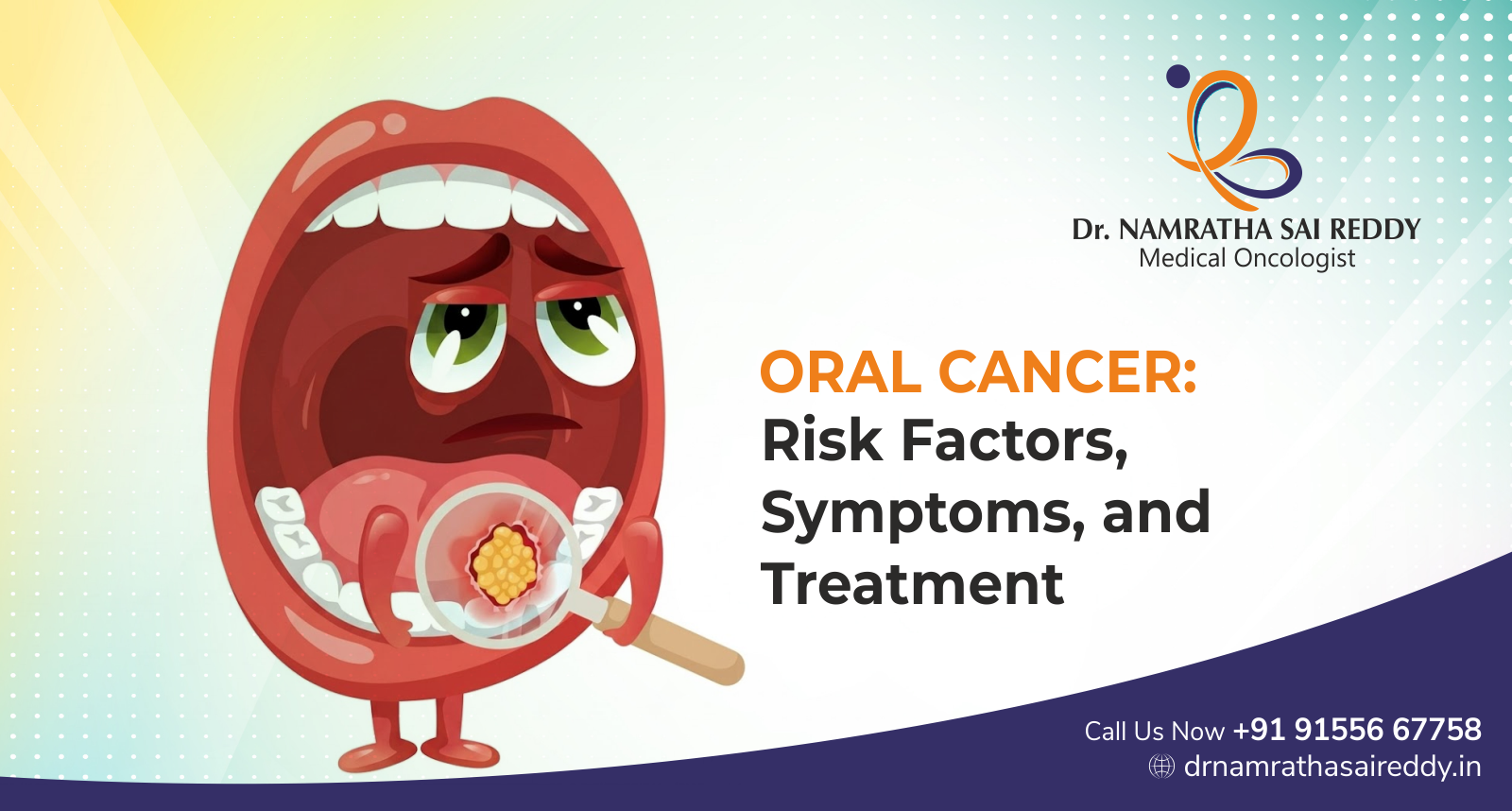
Oral cancer is a type of cancer that develops in the lips, tongue, gums, inner cheeks, roof or floor of...
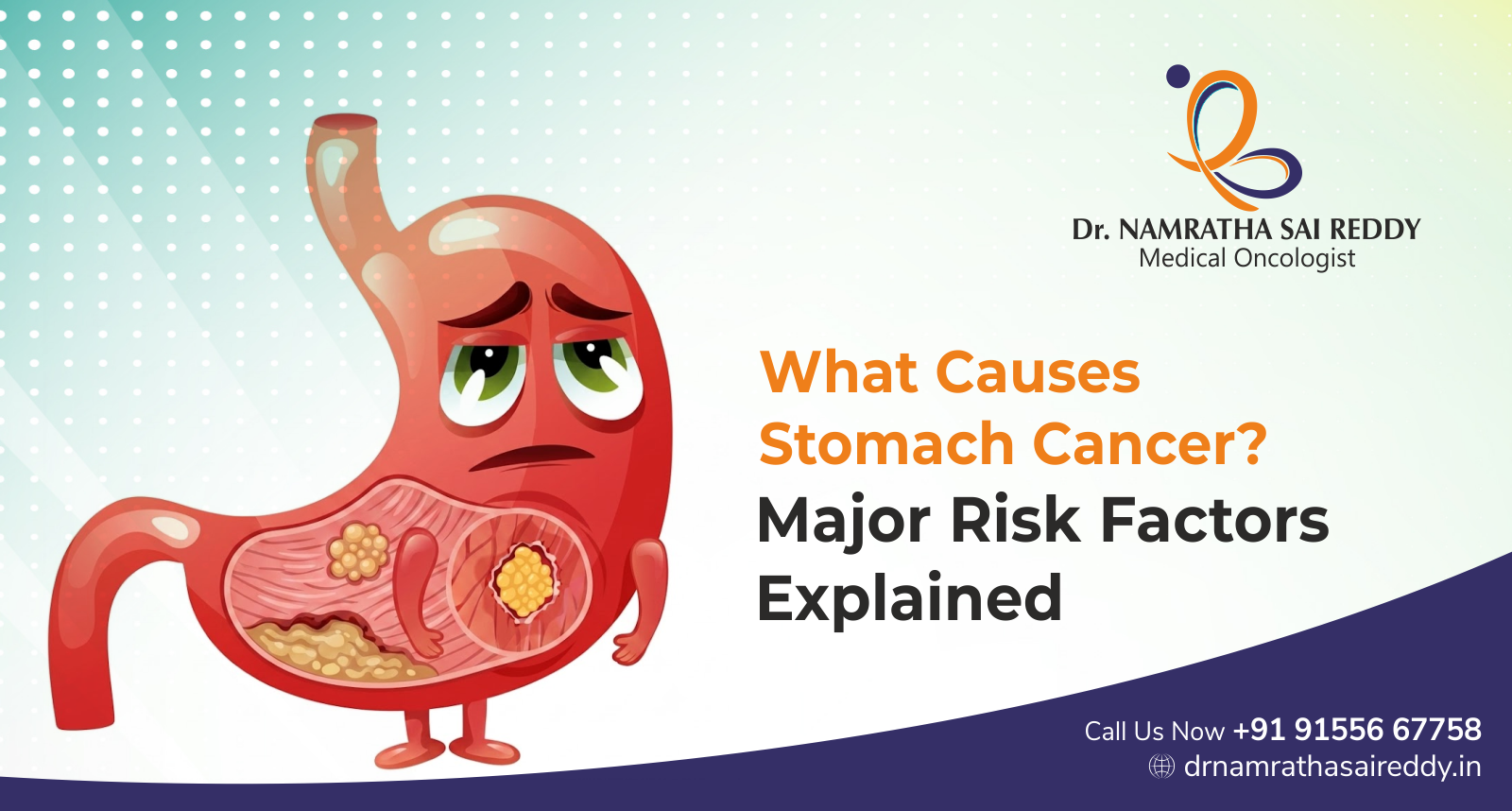
Stomach cancer, also known as gastric cancer, develops when abnormal cells in the stomach lining grow uncontrollably. There is rarely...

Chemotherapy is an effective cancer treatment that destroys or slows the growth of cancer cells. Because these medicines can also...
Personalised mRNA cancer vaccines are one of the most exciting breakthroughs to emerge after the COVID-19 pandemic. Using the same...
Unlike conventional biopsies that require removing a sample of tissue through surgery or a needle, a liquid biopsy involves analysing...
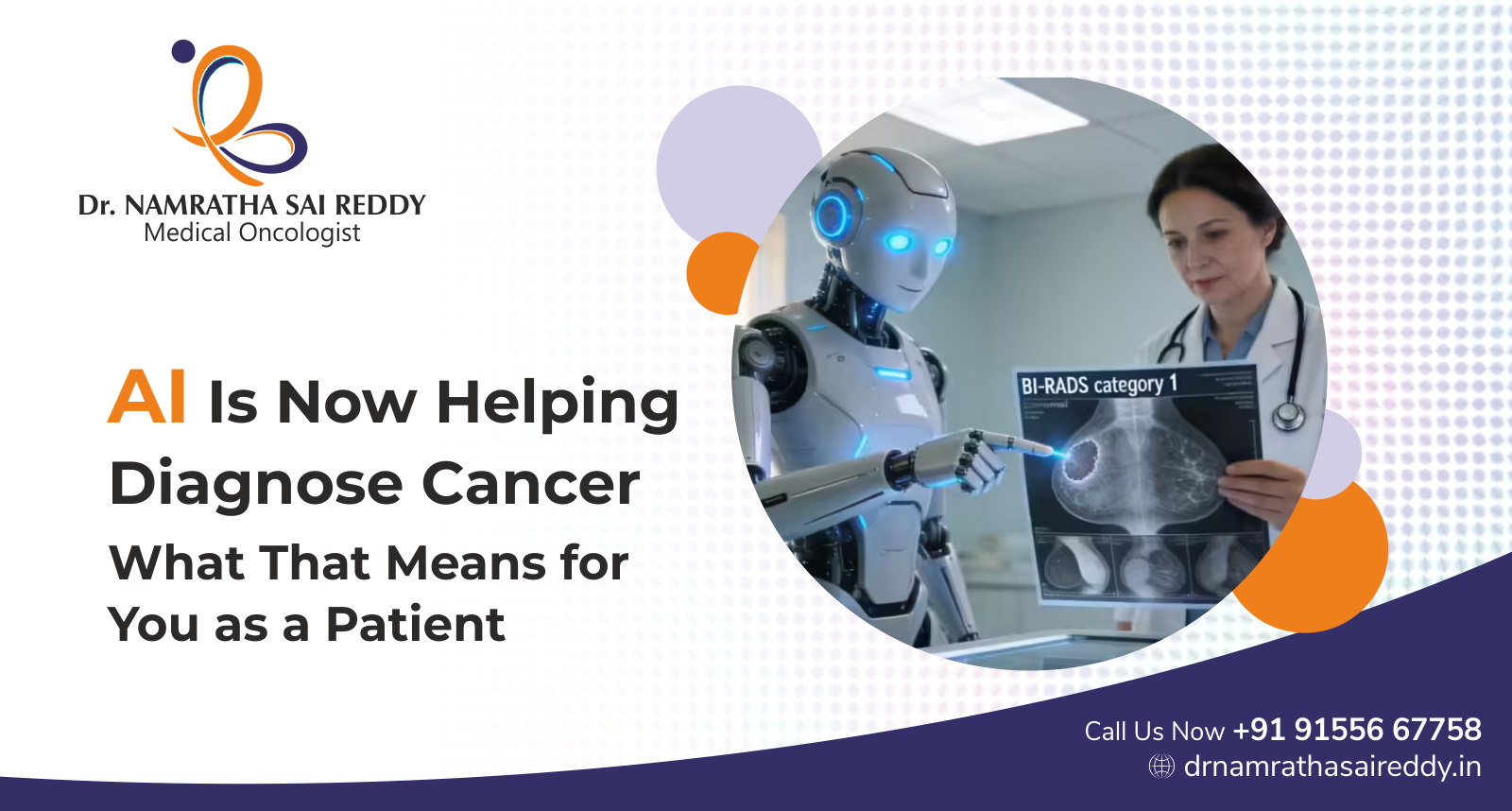
Key Takeaways The reality is that AI is not replacing cancer specialists. Instead, it is helping them make faster, more...
Key Takeaways For years, colorectal cancer was considered a disease that primarily affected people over the age of 50. However,...

Key Takeaways: The first 30 days after a cancer diagnosis are often emotionally intense, but they are also one of...

Key Takeaways Cancer remains one of the most feared diseases globally, but also one of the most misunderstood. Despite major...
Key Takeaways For many years, clinical trials have been misunderstood by patients and families. A common myth is that clinical...
Key Takeaways Radiation therapy has been used in cancer treatment for more than a century. Traditionally, radiation has been delivered...
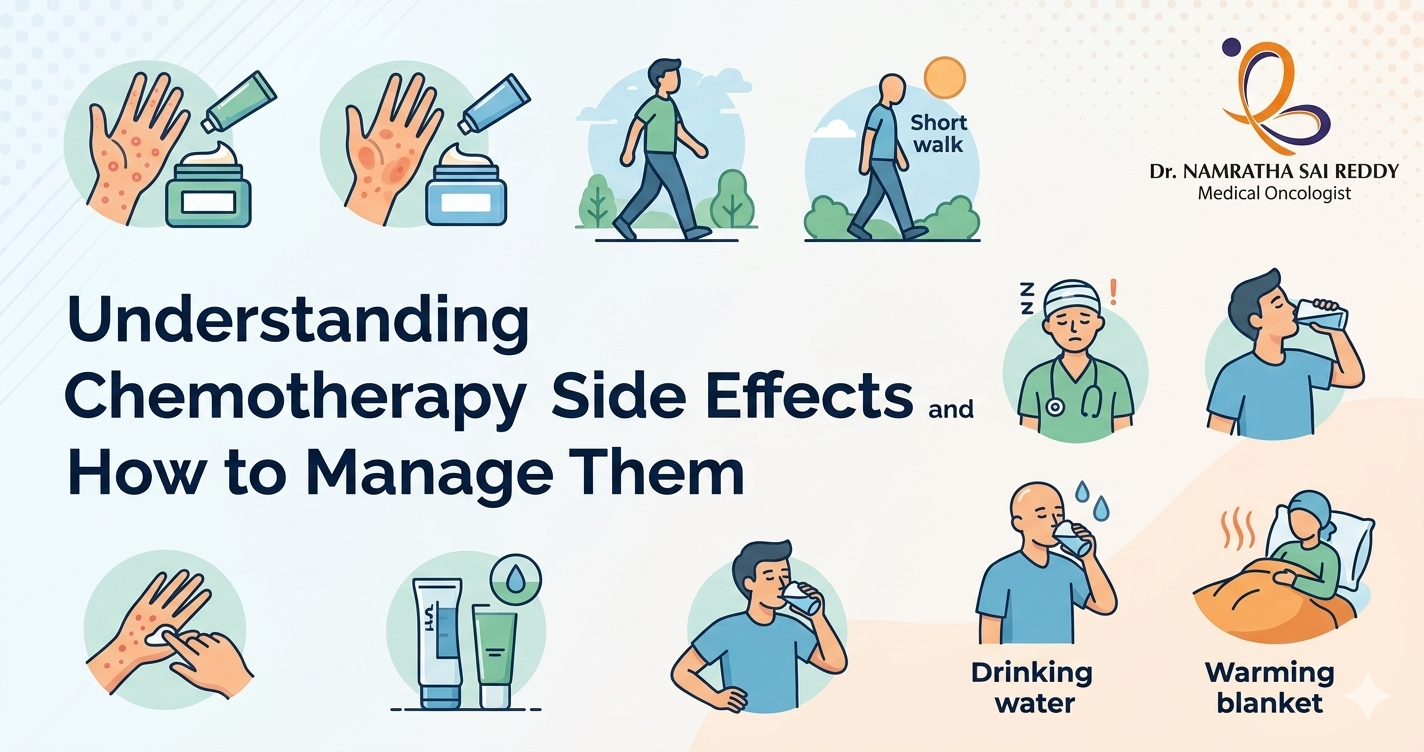
Chemotherapy remains one of the most widely used treatments for cancer. It works by destroying rapidly dividing cancer cells and...
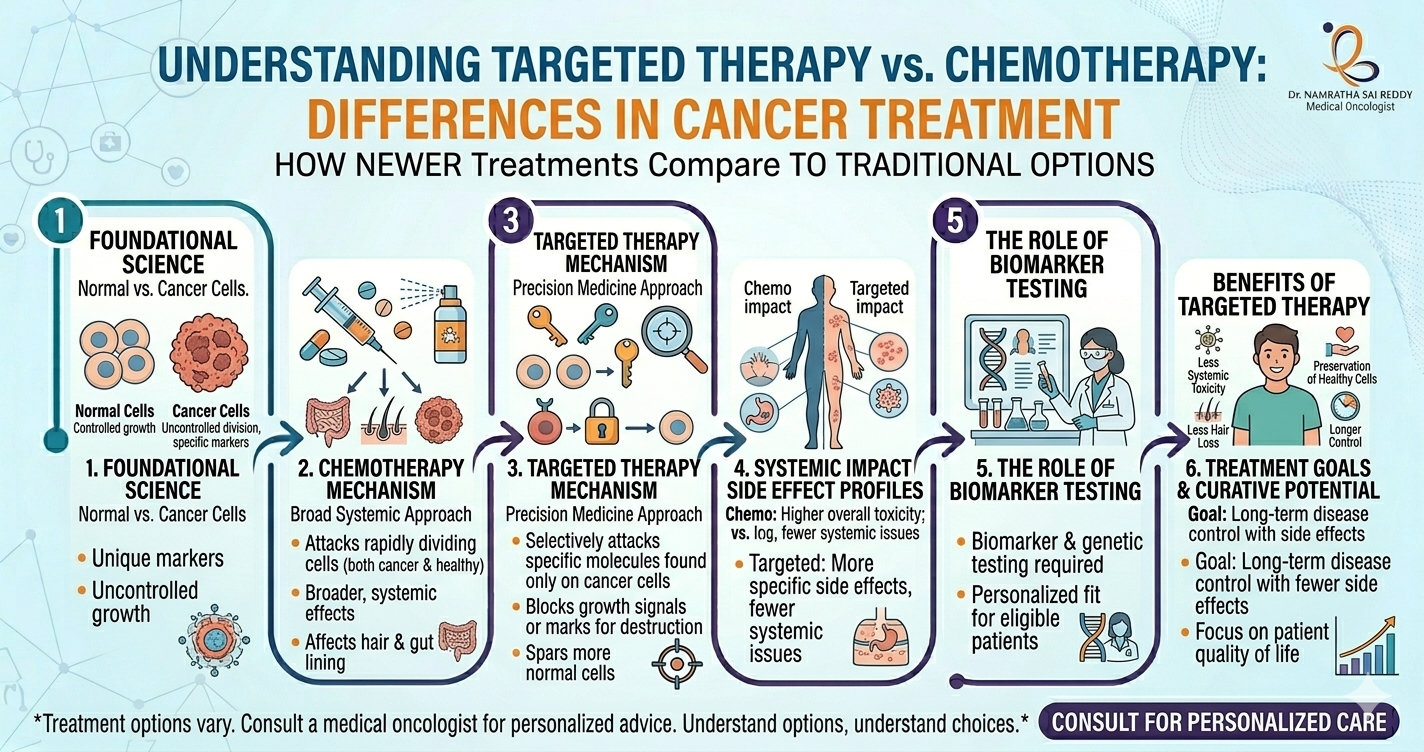
Cancer treatment is rapidly evolving with the development of precision medicine. Traditional treatments, such as chemotherapy, attack rapidly dividing cells...
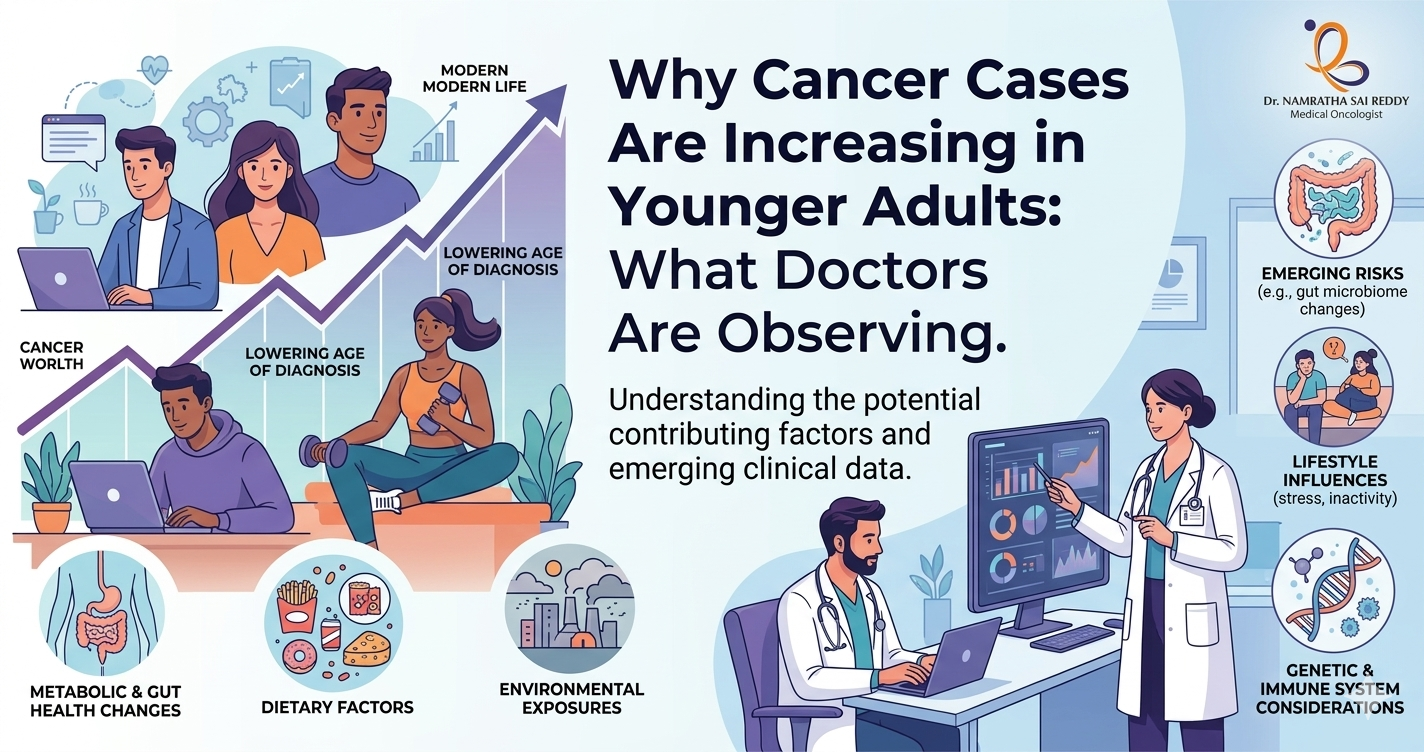
Cancer has traditionally been considered a disease that primarily affects older adults. However, doctors across the world are increasingly observing...
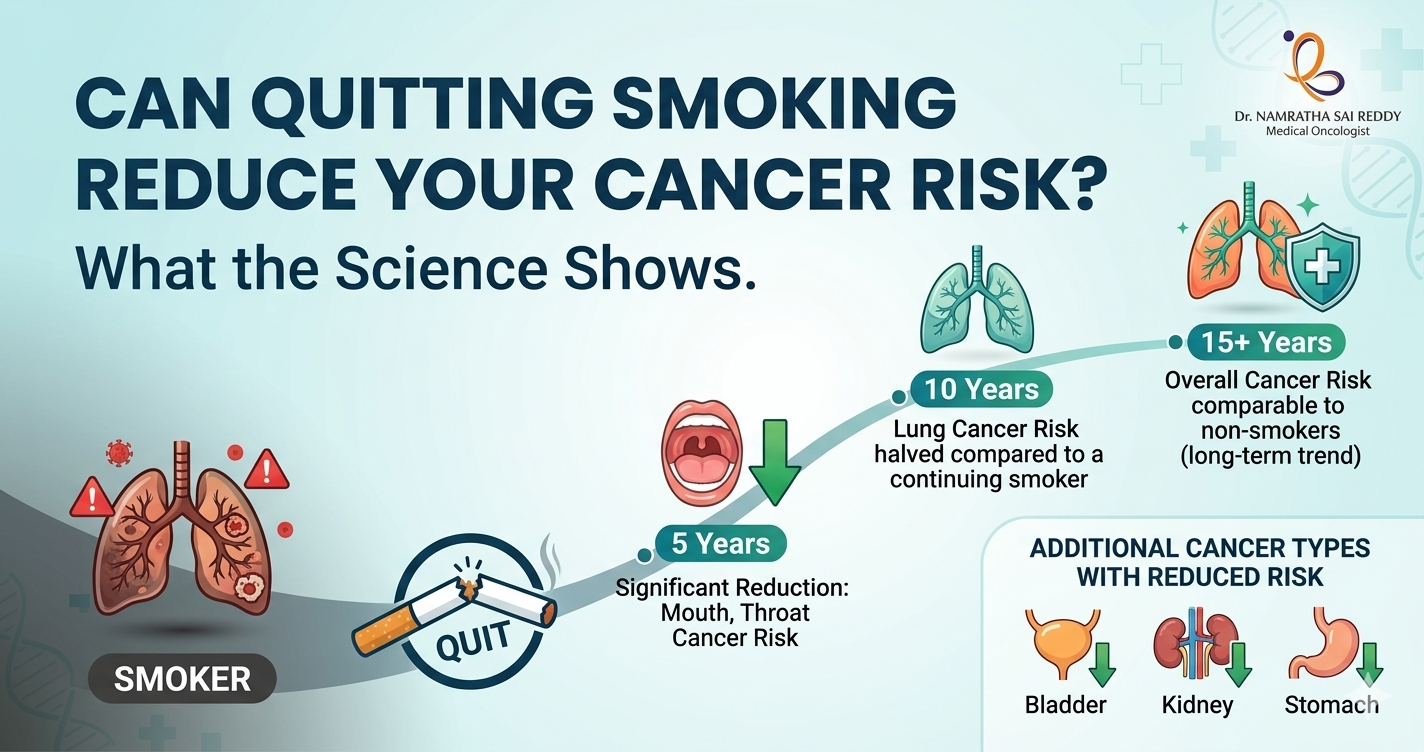
Yes, quitting smoking significantly reduces cancer risk at any age. People who quit completely have a 17% lower overall cancer...
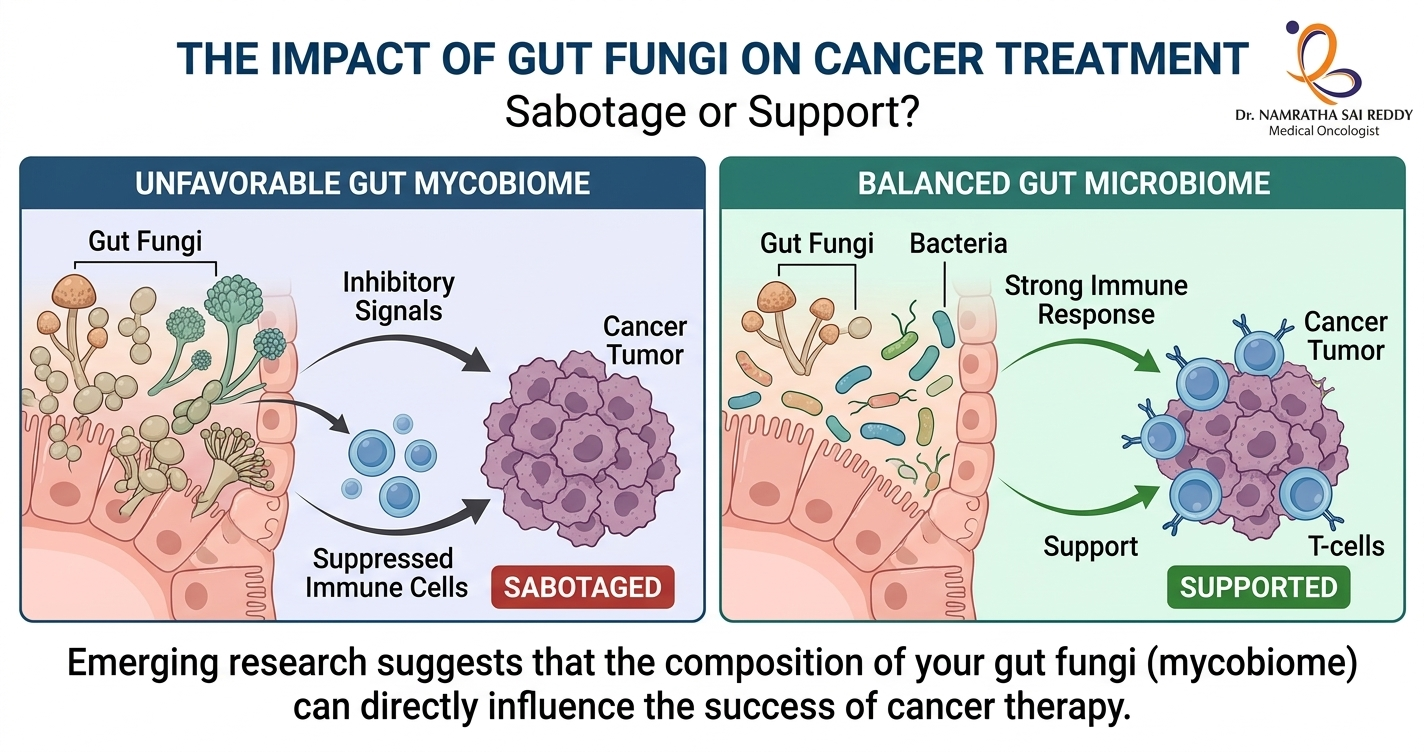
Yes, gut fungi can affect cancer treatment outcomes. Research published in Cancer Cell by scientists at Cedars-Sinai Medical Centre found...
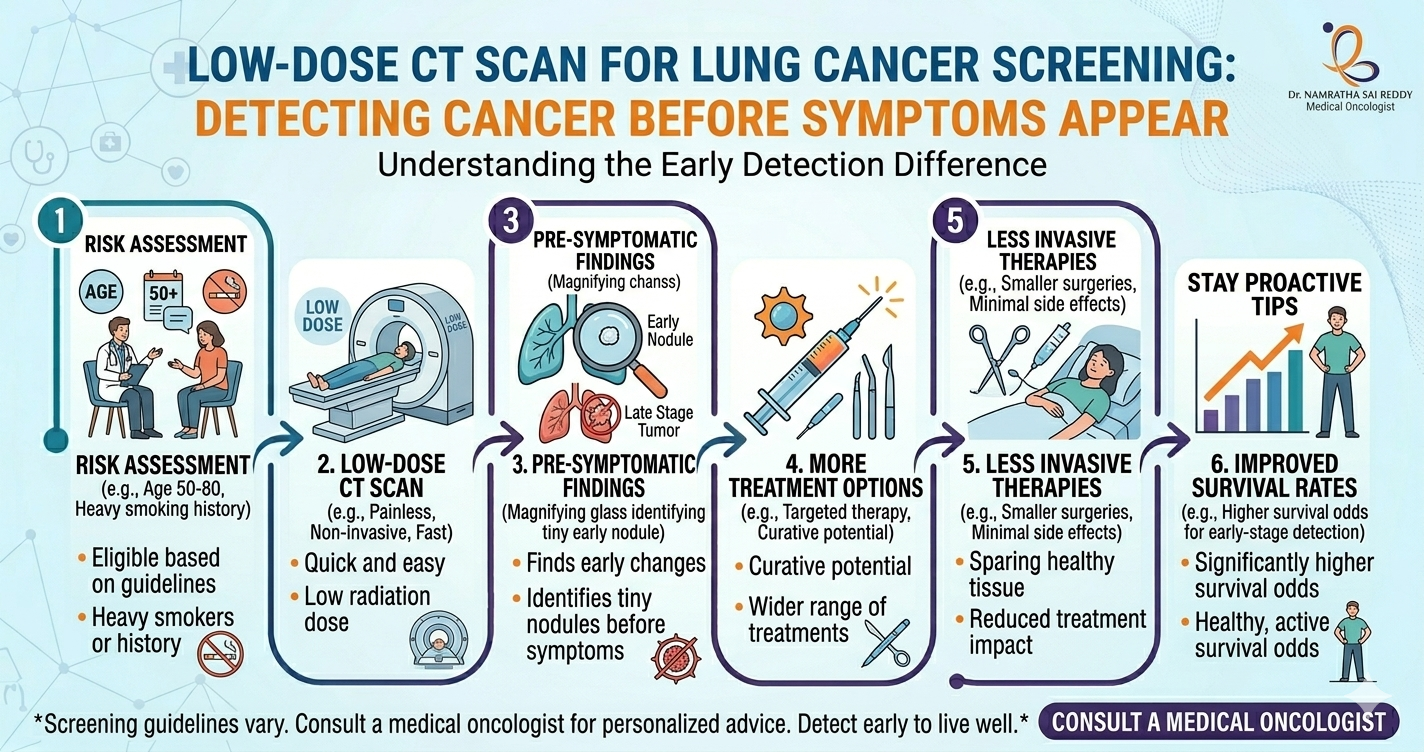
Lung cancer remains one of the most serious global health challenges. One major reason is that the disease often develops...
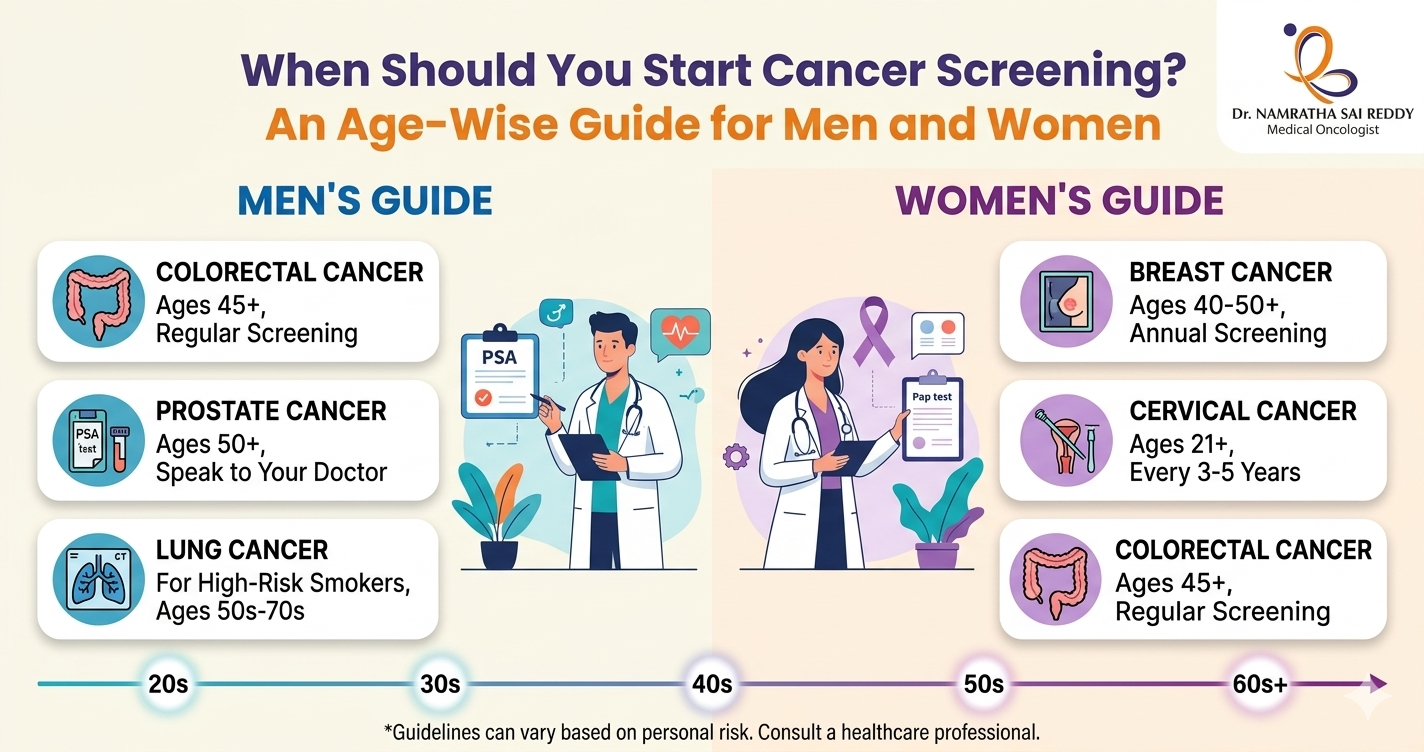
• Most cancer screenings begin between the ages of 21 and 50. Missing or delaying them is one of...
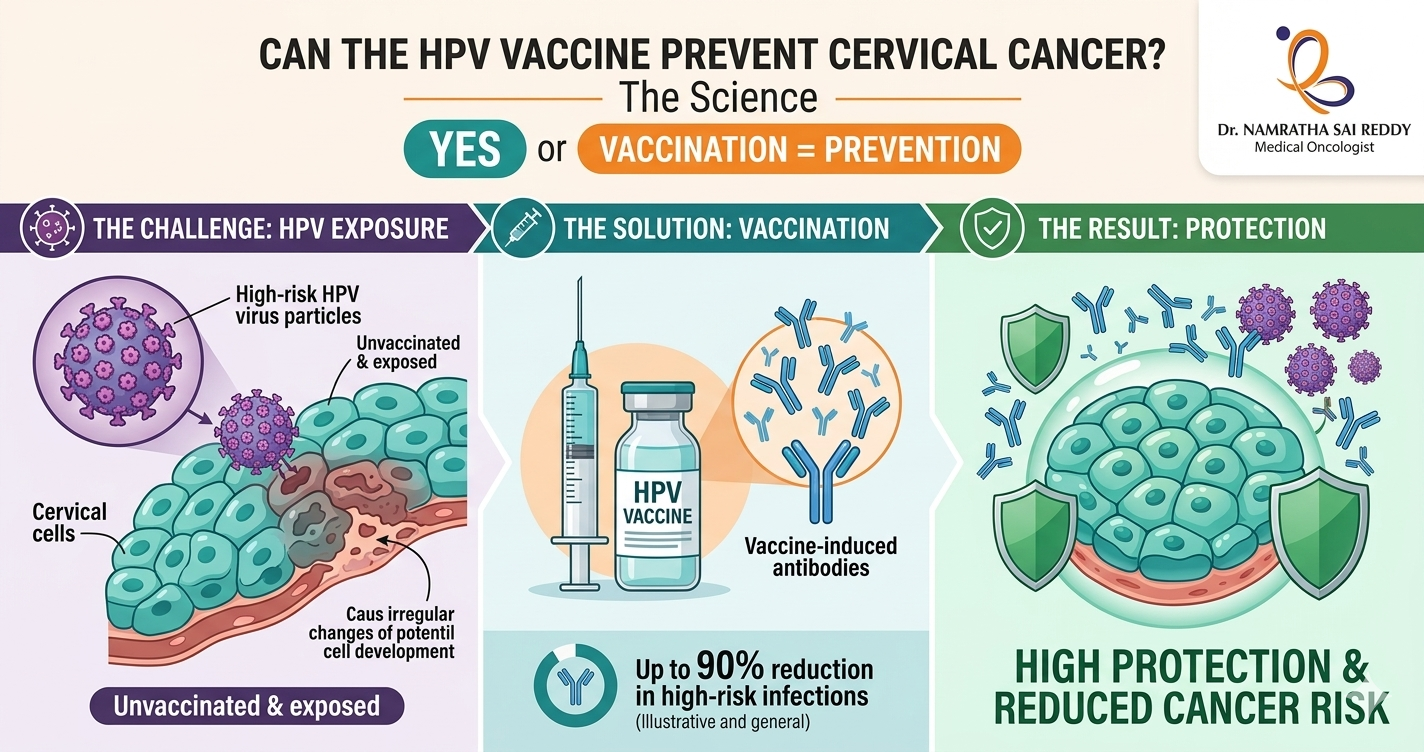
Yes, and the evidence is overwhelming. HPV vaccination reduces cervical cancer risk by up to 88–90% when given before age...
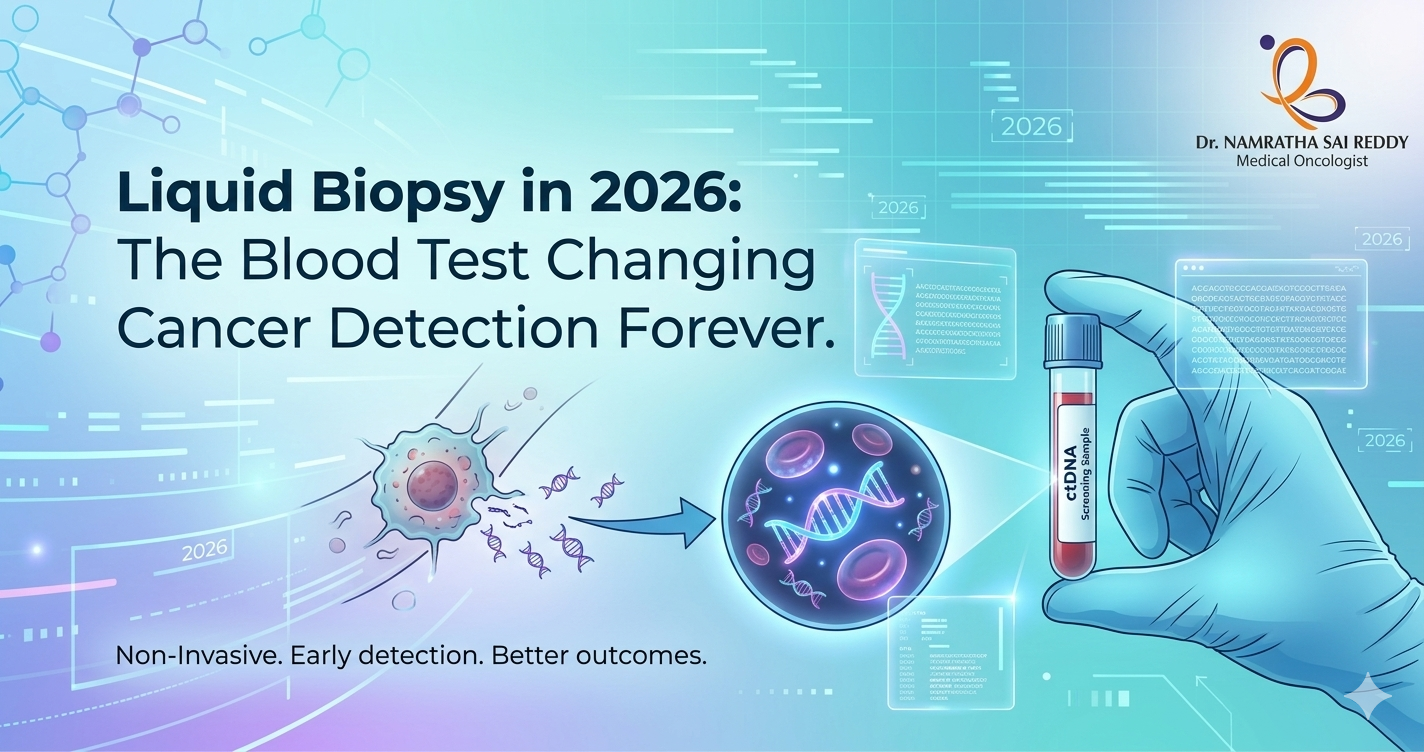
Liquid biopsy is a simple blood test that detects cancer DNA circulating in the bloodstream, allowing doctors to find, monitor,...
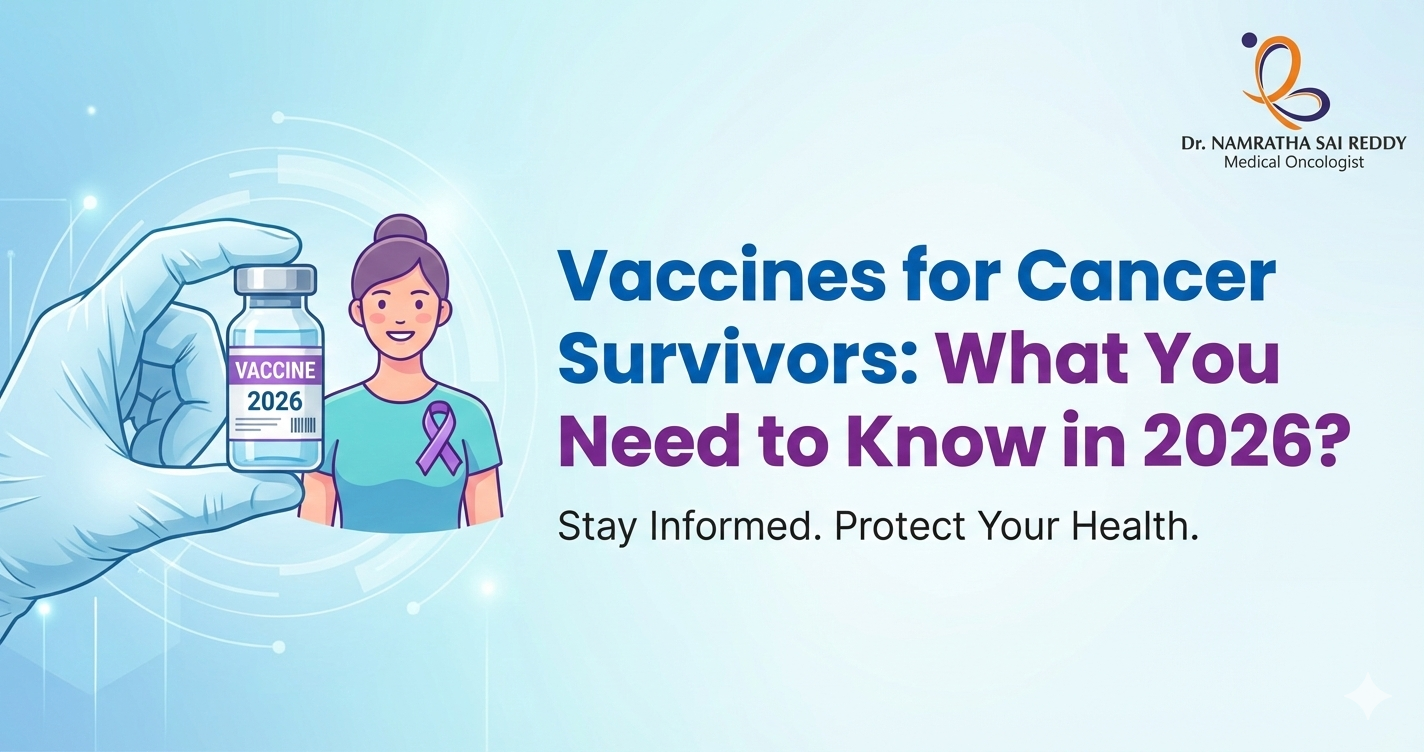
Cancer survivors require both standard preventive vaccines, such as flu, COVID-19, shingles, pneumonia, RSV, and Hepatitis B, to protect their...
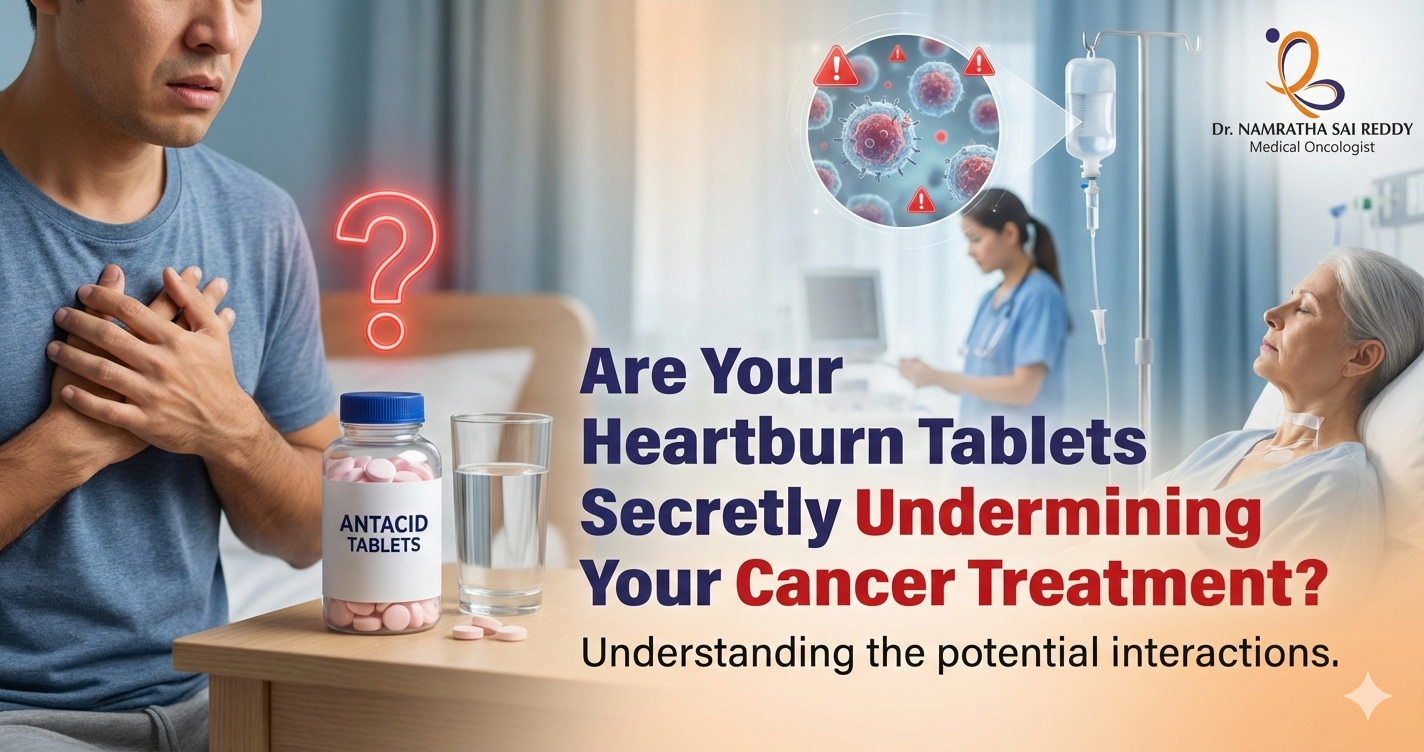
Yes, common heartburn tablets called proton pump inhibitors (PPIs) can significantly reduce the effectiveness of cancer immunotherapy and targeted drugs,...
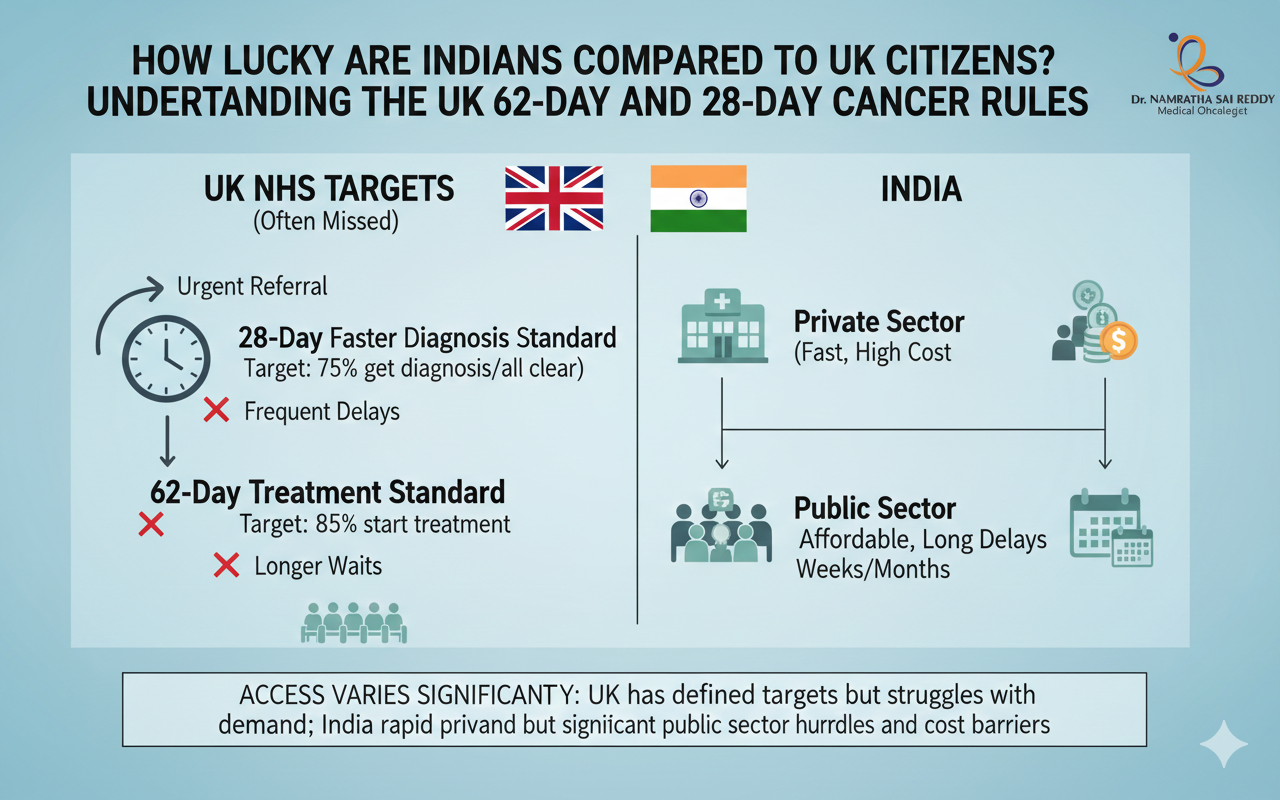
Cancer treatment in India vs UK reveals a striking difference in how quickly patients receive life-saving care. While the UK’s...
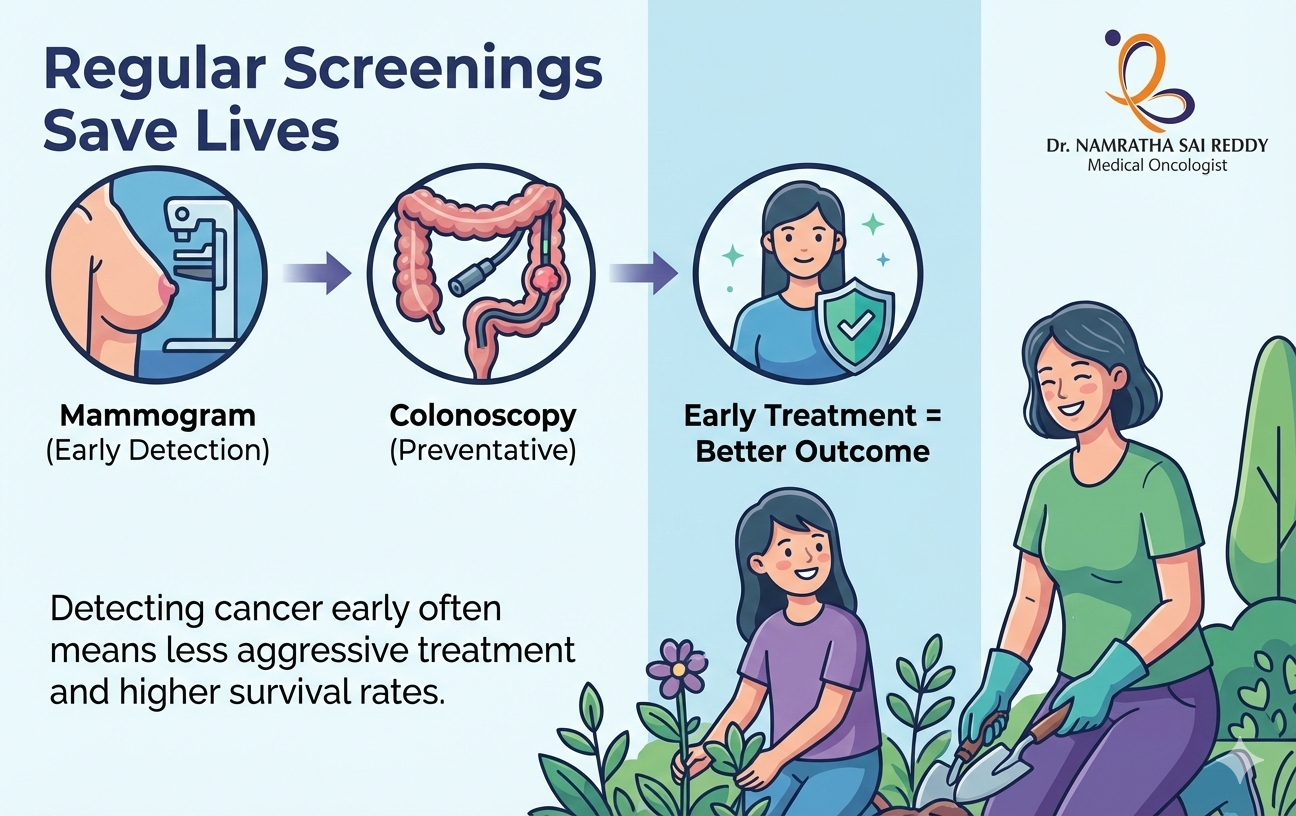
Cancer rarely begins with pain or visible warning signs. In many people, it develops silently over the years, spreading before...
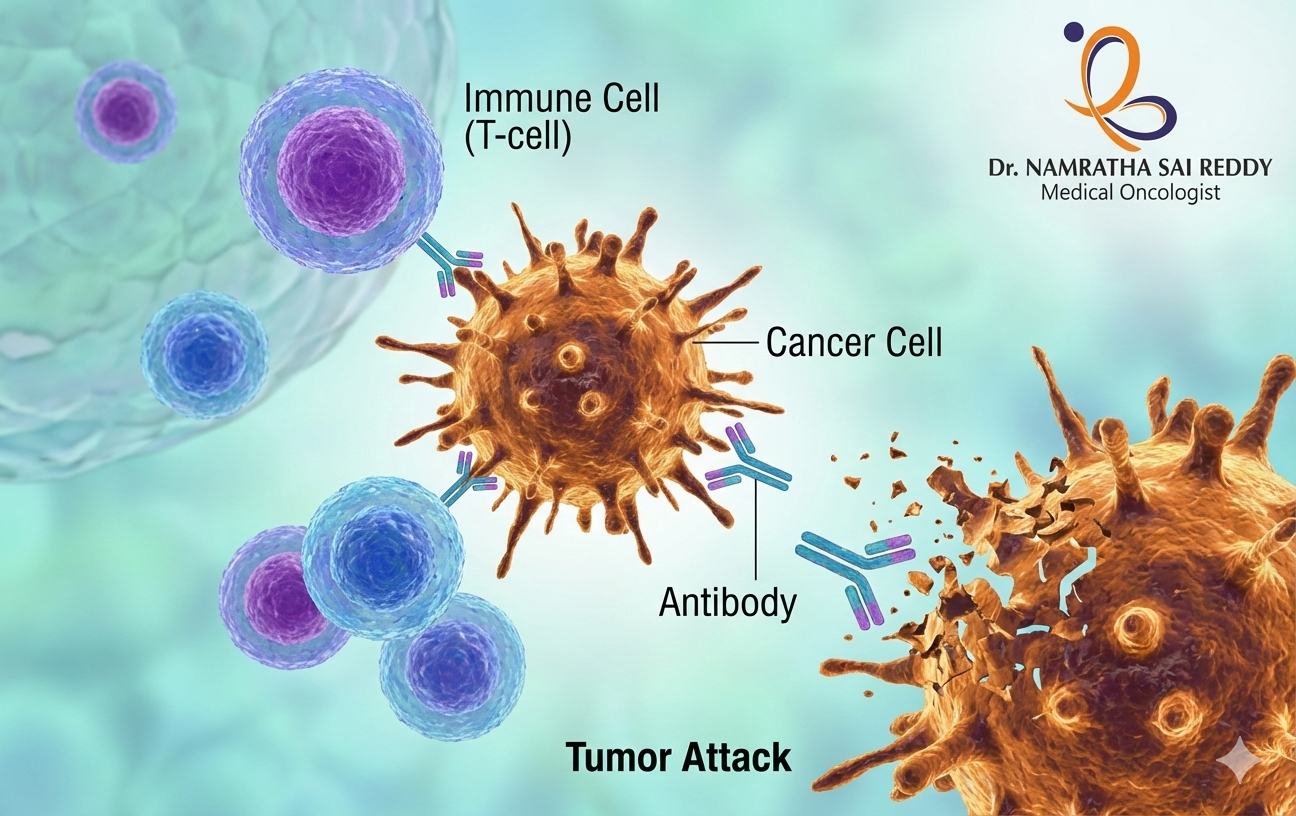
Cancer care has undergone a profound transformation in the last decade, and immunotherapy is at the centre of this change....